
Inside Delhi's Cloud Seeding Initiative: How Artificial Rain Could Combat Severe Air Pollution
- Date & Time:
- |
- Views: 55
- |
- From: India News Bull
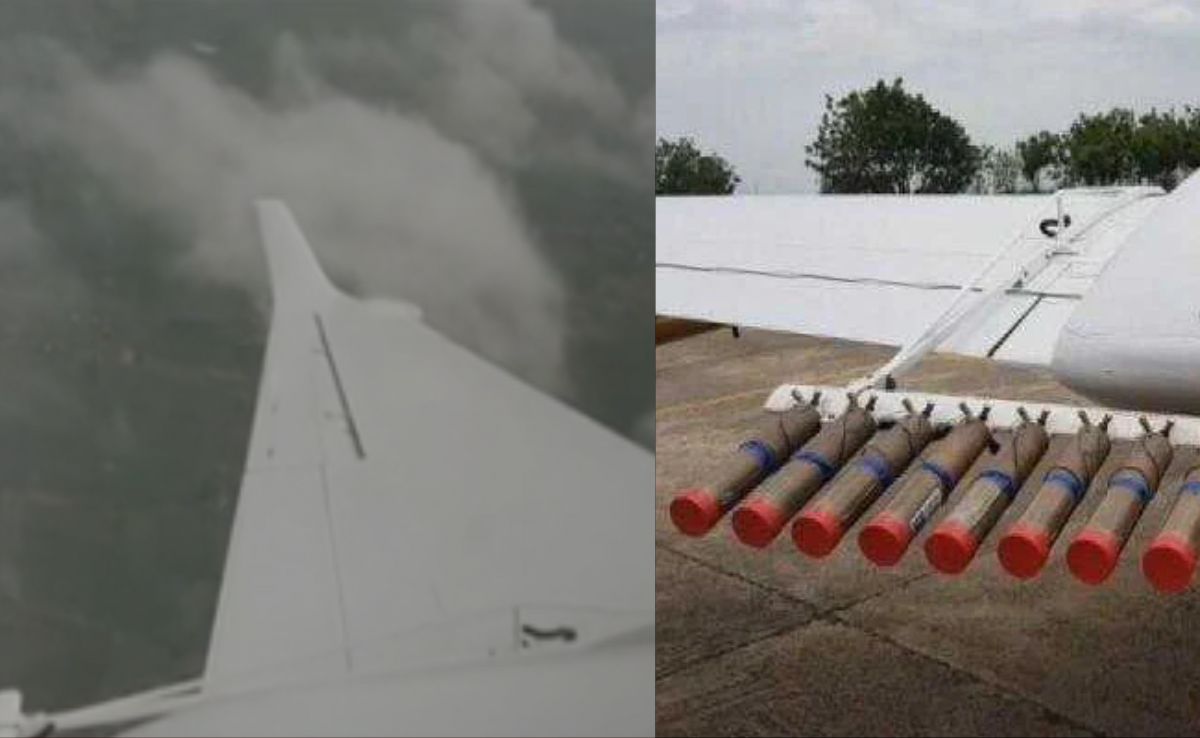
Delhi is preparing for its first artificial rainfall scheduled for October 29, which aims to provide relief from the dangerous air pollution levels experienced after Diwali celebrations. NDTV's science editor Pallava Bagla previously documented the science behind artificial precipitation when he flew aboard an aircraft conducting research on this weather modification technique.
The relevance of NDTV's 2018 flight experience has increased following Friday's trial, during which aircraft released silver iodide and sodium chloride compounds above Delhi's Burari district. This recent test did not produce rainfall because the atmospheric moisture level was below 20 percent, whereas cloud seeding typically requires approximately 50 percent humidity to be effective.
In 2018, the Ministry of Earth Sciences initiated a comprehensive experiment in Maharashtra to investigate cloud seeding techniques during a period of below-average monsoon rainfall across India.
The operation involved two specialized aircraft with distinct functions. One plane dispersed benign chemical compounds such as calcium and potassium chloride to seed the clouds, while the second aircraft served as a mobile laboratory to analyze the effects of the seeding process.
Dr. Thara Prabhakaran from the Indian Institute of Tropical Meteorology explained to NDTV that the experiment focused on understanding the scientific principles of cloud seeding and determining whether precipitation occurs as a result. She emphasized the importance of identifying "how much rain it can generate and under what specific conditions."
Dr. Prabhakaran further noted that the research would specifically examine the warm components of monsoon clouds to evaluate cloud seeding effectiveness in those conditions.
Regarding the upcoming Delhi initiative, the city's Cabinet approved funding for five cloud seeding trials in May, allocating Rs 3.21 crore for the project. The implementation has faced multiple postponements due to unfavorable weather conditions and the southwest monsoon season, with deadlines being repeatedly extended from late May and early June to August, September, and most recently to mid-October.
Source: https://www.ndtv.com/india-news/when-ndtv-flew-in-a-plane-that-makes-studies-artificial-rain-9509515