
India's Strategic Pivot: Engaging the Taliban Regime Amid Regional Power Dynamics
- Date & Time:
- |
- Views: 51
- |
- From: India News Bull
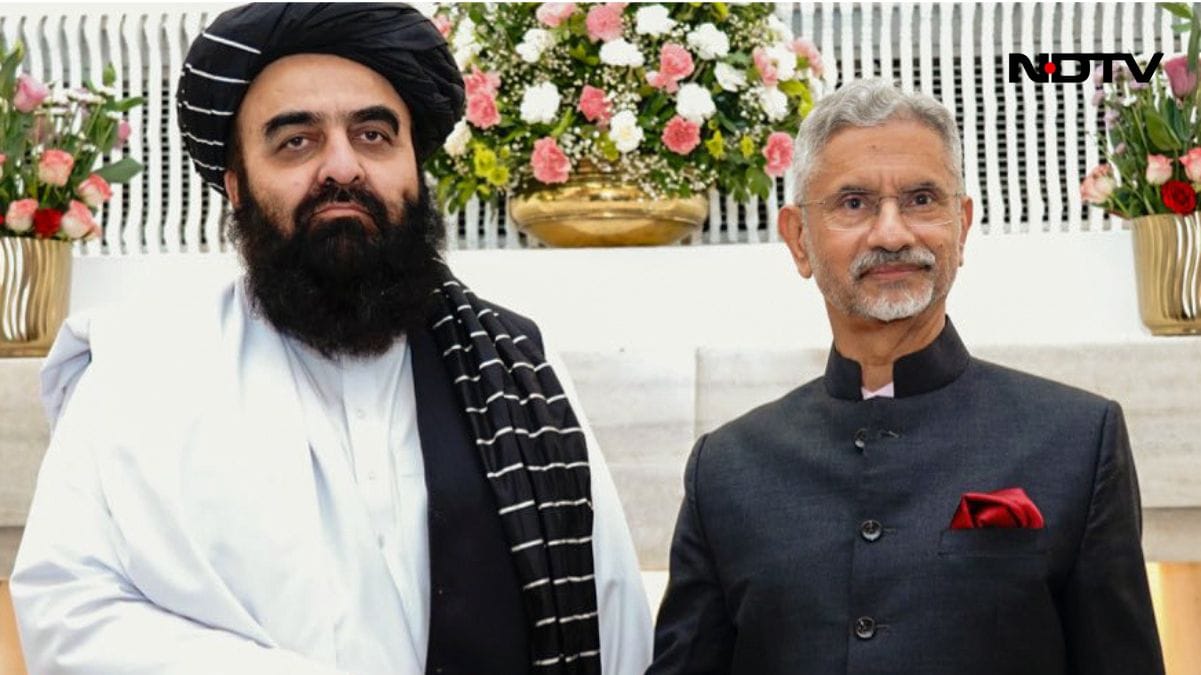
The four-day visit of Afghan Taliban Foreign Minister Amir Khan Muttaqi to New Delhi represents the most significant engagement between India and the Taliban since their takeover of Kabul in August 2021. This diplomatic initiative reflects India's pragmatic approach to reclaiming strategic influence in Afghanistan, a region that has historically served as a competitive space in the India-Pakistan rivalry. Throughout the Cold War period, New Delhi supported Western-aligned governments in Kabul while Islamabad cultivated relationships with the Taliban insurgency.
India's relationship with the Taliban has evolved through carefully calibrated phases. Initially, New Delhi deployed a "technical team" to Kabul in 2022 after closing its diplomatic missions. This limited presence primarily oversaw humanitarian aid projects. By late 2023, India took a formal step by allowing the Taliban to appoint an official representative and opened consulates in Mumbai and Hyderabad. Indian officials gradually increased direct communications with Taliban representatives in third-party locations, including Foreign Secretary Vikram Misri's meeting with Muttaqi in Dubai earlier this year. Now, with Muttaqi's visit, India has announced plans to elevate its technical mission in Kabul to full embassy status, signaling a transition from cautious backchannel diplomacy to a more structured bilateral relationship.
The joint statement issued on October 10 indicates India's shift from a value-based approach to an interest-driven engagement strategy. By meeting directly with the Taliban's interim foreign minister, New Delhi effectively grants a substantial measure of de-facto recognition to the current regime. The agreement primarily focuses on humanitarian guarantees, economic cooperation, and security assurances that Afghan territory will not be used for anti-India activities by terrorist organizations. The statement also reaffirms India's commitment to development assistance and suggests new economic investments, particularly in Afghanistan's mining sector. This approach demonstrates India's prioritization of economic opportunities and security concerns over ideological objections to Taliban governance.
A stable and cooperative Afghanistan is essential for India's "Connect Central Asia" policy, which aims to establish access to energy-rich Central Asian nations. The development of Iran's Chabahar Port, heavily supported by Indian investment, remains central to this strategy, providing a transit route to Afghanistan that bypasses Pakistan. In this context, the recent India-Taliban engagement signals that New Delhi is reasserting its influence in Afghanistan, independent of Pakistani interests.
However, unlike previous agreements between India and the former Afghan Republic that emphasized shared democratic values and support for pluralistic society, the latest joint statement notably omits references to women's rights, protection of minorities, and inclusive governance—issues that were previously central to India's position. This shift indicates how geopolitical pragmatism has superseded value-based diplomacy in this new phase of India-Afghanistan relations.
This bilateral meeting sends significant signals to Pakistan from both parties. It demonstrates the Taliban's effort to diversify its foreign policy and reduce its historical dependence on Pakistan. For India, this represents an opportunity to build trust with the Taliban, including factions previously accused of targeting Indian nationals and assets in Afghanistan. Anti-India attacks in Afghanistan have often been attributed to the Haqqani Network, a faction with close ties to Pakistan's Inter-Services Intelligence. India's engagement with Muttaqi, who represents the Taliban's Doha political office, likely facilitated establishing diplomatic channels with this relatively moderate faction. The joint statement's "strong condemnation" of the April attack in Pahalgam, Jammu and Kashmir affirms the Taliban's recognition of India's territorial integrity while challenging Pakistan's position on Kashmir.
Historically, cordial relations between Afghanistan and India have caused anxiety for Pakistan. Islamabad's support for the Taliban was intended to secure a friendly regime in Afghanistan that would prevent strategic encirclement. An India-friendly Taliban therefore revives these concerns. These developments coincide with growing tensions in Taliban-Pakistan relations, exemplified by military clashes along the disputed Durand Line on October 11 that resulted in casualties on both sides. These tensions stem from the Taliban's reluctance to suppress activities of the Tehreek-e-Taliban Pakistan (TTP), which conducts frequent attacks in Pakistan's tribal regions. While these border conflicts coincide with the Taliban's India visit, it's important to avoid overinterpretation, as the Pakistan Air Force has previously conducted strikes against alleged TTP bases in Taliban-controlled Afghanistan. Pakistan's concerns also relate to the Pashtun region, as strengthened Taliban-India relations could bolster Pashtun nationalism and undermine Pakistan's narrative of solidarity with Afghanistan. Nevertheless, both Afghanistan and Pakistan likely seek to avoid military escalation, particularly given the Taliban's limited conventional military capabilities.
The timing of this visit aligns with significant regional developments. Pakistan has improved relations with Bangladesh under interim leader Muhammad Yunus following Sheikh Hasina's departure. Islamabad has also strengthened its international standing through a defense agreement with Saudi Arabia and closer ties with the Trump administration in the United States.
Meanwhile, India now views Afghanistan as a strategic corridor for connectivity and trade routes into Central Asia, potentially counterbalancing the China-Pakistan Economic Corridor. While engagements like Muttaqi's visit contribute to a gradual normalization process, formal recognition of the Taliban administration by New Delhi remains distant.
These perspectives represent the personal opinions of Aishwaria Sonavane, a research analyst at the Takshashila Institution.
Source: https://www.ndtv.com/opinion/india-afghanistan-and-pak-an-uneasy-dance-9482427