
Delhi's Deteriorating Air Quality: Health Risks and Preventive Measures as AQI Reaches 'Poor' Category
- Date & Time:
- |
- Views: 64
- |
- From: India News Bull
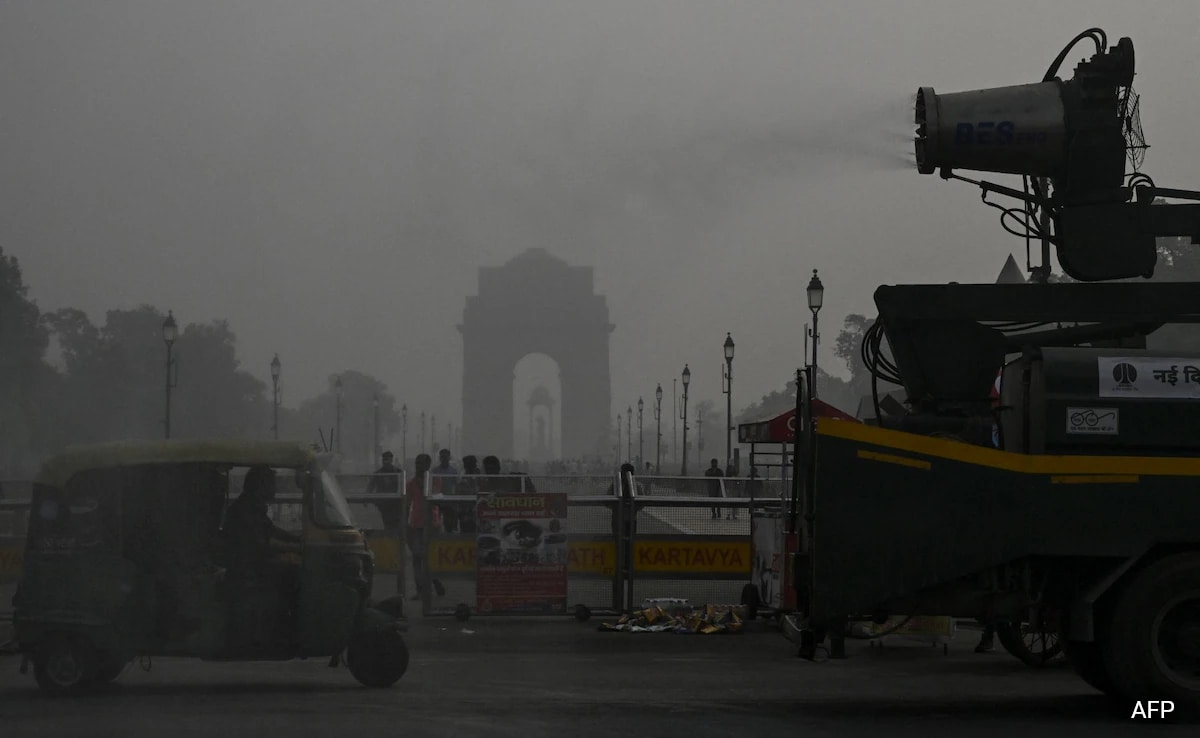
New Delhi's air quality has deteriorated significantly, with the Air Quality Index (AQI) near Akshardham reaching 230, falling into the 'Poor' category according to Central Pollution Control Board (CPCB) measurements this morning.
The Jawaharlal Nehru Stadium area recorded an even higher AQI of 252, as observed from visuals captured near Barapullah Bridge.
Dr. Sharad Joshi, a Pulmonologist from Ghaziabad, expressed serious concerns to ANI about the rising AQI levels. He explained that elevated particulate pollutants from crop burning, vehicle emissions, and fireworks are aggravating respiratory conditions for those with COPD, asthma, or tuberculosis history, causing symptoms including cough, fever, breathlessness, and chest pain.
Dr. Joshi emphasized that vulnerable populations without previous respiratory issues, particularly children and elderly individuals with compromised immunity, are also at considerable risk during these pollution events.
While discussing Diwali celebrations, the doctor noted that 'green crackers' emit fewer pollutants but "are not entirely harmless." He highlighted that vehicle emissions remain a consistent year-round contributor to Delhi's pollution crisis, with conditions typically worsening during October and November due to stagnant weather patterns.
To combat poor air quality effects, Dr. Joshi recommended several practical measures: reducing vehicle use through carpooling, maintaining proper vehicle pollution control, utilizing air purifiers indoors, ensuring kitchen ventilation, avoiding indoor pollution sources like incense, and continuing regular medication for those with respiratory conditions while considering preventive vaccines.
"Additionally, wearing N95 or double surgical masks during outdoor activities is advised for everyone to protect against poor air quality," Dr. Joshi added.
Friday morning saw the capital's AQI remaining in the 'Very poor' category, measuring 367 at 8 am according to CPCB data. The highest readings were recorded at Anand Vihar (370), followed by Wazirpur (328), Jahangirpuri (324), and Akshardham (369).
Multiple areas across Delhi registered AQI readings above 200, indicating 'Poor' air quality conditions. Specific readings included Anand Vihar (276), Bawana (367), Chandni Chowk (310), and various other locations registering concerning levels: Dwarka Sector 8 (305), Nehru Nagar (269), IGI Airport Terminal 3 (221), Rohini (245), Pusa (224), and India Gate (200).
The AQI categorization system classifies air quality as Good (0-50), Satisfactory (51-100), Moderately Polluted (101-200), Poor (201-300), Very Poor (301-400), and Severe (401-500), with higher readings indicating increasingly hazardous breathing conditions.
In response to deteriorating conditions, the Commission for Air Quality Management (CAQM) in Delhi-NCR implemented Stage I of the Graded Response Action Plan (GRAP) on Tuesday. This action followed the region's AQI dropping to 211, placing it in the 'poor' category.
The Commission's decision also considered forecasts from the India Meteorological Department (IMD) and Indian Institute of Tropical Meteorology (IITM) predicting continued poor air quality in upcoming days.
Stage I of GRAP activates when AQI ranges between 201 and 300, mandating 27 preventive actions across the National Capital Region. These measures include deployment of anti-smog guns, water sprinkling, and enhanced dust suppression protocols for road construction, repair projects, and maintenance activities.
"The Sub-Committee reviewed the air quality scenario in the region, noting Delhi's AQI at 211 on October 14, 2025, placing it in the 'Poor' Category. With IMD/IITM forecasts predicting continued 'Poor' air quality conditions, the Sub-Committee has decided to invoke all actions under Stage-I of the extant GRAP throughout the NCR, effective immediately," stated the CAQM order.
Source: https://www.ndtv.com/india-news/delhi-wakes-up-to-poor-air-quality-pulmonologist-warns-of-health-risks-9477404