
The Fatal Cost of Fandom: Analyzing the Velusamypuram Tragedy and Political Accountability
- Date & Time:
- |
- Views: 51
- |
- From: India News Bull
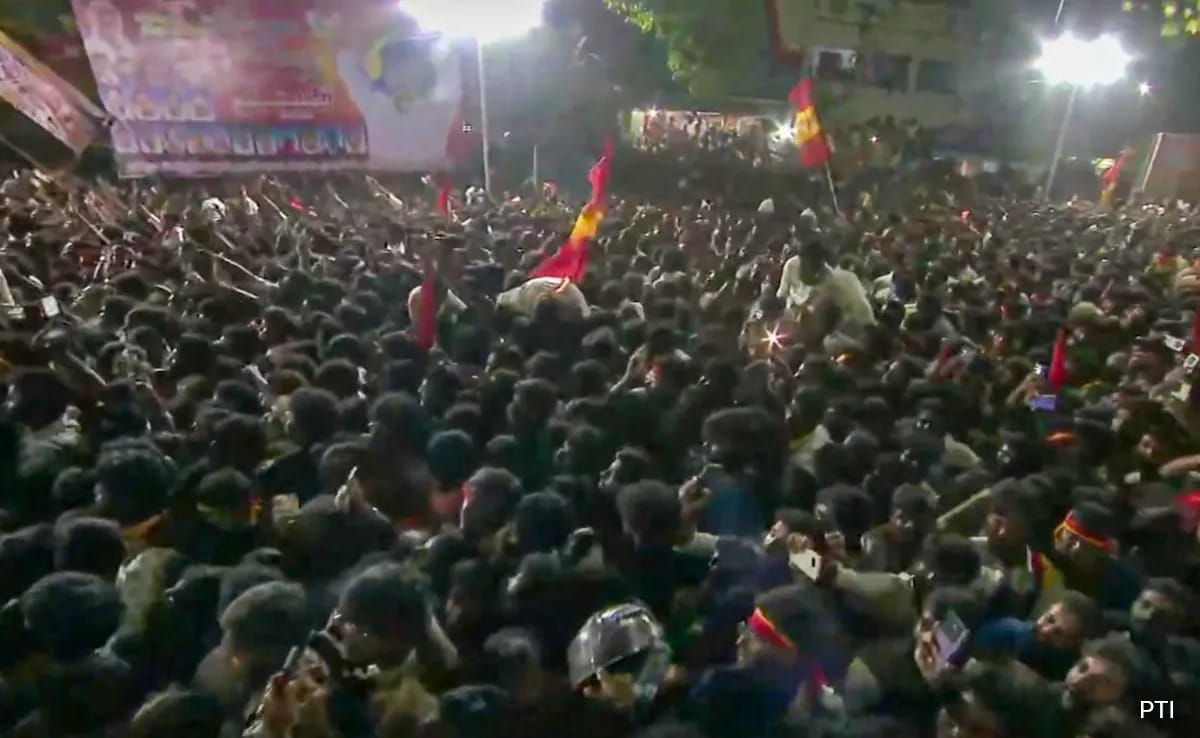
Velusamypuram will forever be etched as a painful memory in Tamil Nadu's history. The devastating tragedy that claimed 40 lives, including 10 children and numerous women, at a political gathering stands as a gruesome reminder of the darker side of mass events.
Actor and TVK leader Vijay, known for drawing massive crowds, now faces a tragedy that will remain an indelible part of his political journey. This incident should serve as a stark reminder to all politicians and celebrities about the dangerous flipside of their public appeal and the fan frenzy they cultivate.
The rally, organized by Vijay's political supporters, attracted enormous crowds and heavy security. What was intended as a demonstration of the actor's growing political influence instead transformed into a catastrophe that exposed critical systemic failures. The state administration and DMK have squarely blamed TVK for violating rally permit conditions, while TVK has alleged a criminal conspiracy. Meanwhile, the AIADMK and BJP have pointed fingers at both TVK and the state government.
A notable observation from the aftermath is that Vijay continues to behave more like a powerful star than a grassroots politician. His decision to return to Chennai without meeting the press after such a significant tragedy has drawn severe criticism. His party leadership has also remained conspicuously absent from media interactions, relying instead on social media communications.
The situation clearly demands that Vijay hold a press conference and address difficult questions about both his politics and this tragedy.
This is especially pertinent as every significant political figure in Tamil Nadu has made public appearances to express grief in Karur—a standard practice in electoral politics. If Vijay's presence might create crowd management issues, his party's senior leadership should have been visible. Unfortunately, that leadership remains largely unseen.
Beyond the political posturing, we need to focus on specific questions requiring definitive answers to establish the truth. While Vijay must face challenging inquiries, the Tamil Nadu Police and state government cannot evade their responsibilities.
Was the delay a critical factor? Vijay was scheduled to arrive at noon but appeared only after 6 PM. Thousands waited in the intense heat throughout the day—a common scenario at events featuring major stars across South India. Stars and politicians often arrive late to allow crowds to gather, but did this particular delay contribute significantly to the chaos? Might the outcome have been different had the event adhered to its scheduled timeline?
Why did the floodlights fail? It's established that shortly after Vijay's arrival, the floodlights briefly went out, plunging the area into darkness. Did this trigger panic? The government maintains that power from the electricity board wasn't cut, but a generator-powered floodlight used by TVK failed. We need clarity on who turned off the power and why. Did people fall onto the generator, or did the sudden darkness cause panic leading to the stampede?
The tree branch incident requires examination too. Vijay's fans are known to climb structures for better views despite his warnings against such behavior. Evidence of a broken tree branch with slippers on it indicates fans had climbed it for visibility. Did its collapse contribute to the chaos?
Questions about police action are crucial. Images showing police using batons to control crowds have circulated widely. Was this done to clear a path for Vijay? If so, did it worsen the situation? The dense crowd made it nearly impossible to evacuate those who had fainted. What exactly were the 500 deployed officers doing? Was their response adequate, or was the situation simply unmanageable? This wasn't Vijay's first rally—surely police anticipated the crowd's behavior.
Event planning raises critical concerns. Despite approval, authorities and organizers evidently failed to account for attendance numbers. The original application requested permission for 10,000 people, but reports suggest approximately 27,000 attended. Local intelligence typically estimates such numbers—was there sufficient planning for such a large gathering? Was the police-approved venue appropriate? The narrow access roads raised concerns about the location's suitability for an event of this magnitude.
Reports indicate TVK initially requested an even more congested location but was denied by police. The Velusamipuram alternative was police-approved. Poor coordination between organizers and authorities may have contributed to this tragedy. TVK has had contentious exchanges with state administration and criticized police handling of previous rallies.
While police bear responsibility for enforcing event conditions, organizers must equally adhere to them.
Authorities allege TVK violated numerous regulations, including failing to provide adequate water and shelter for attendees in the heat. Unauthorized advertisements and display boards reportedly created distractions throughout the city. Many fans formed vehicle convoys around Vijay's car, clearly violating permissions.
Previous incidents of suffocation, fainting, and injuries have been reported at Vijay's rallies in various locations. Despite these warning signs, organizers and authorities seemingly failed to implement appropriate safety measures, highlighting a persistent gap in planning and crowd management.
The political debate over these 40 deaths will intensify but may obscure the facts rather than reveal them. This tragedy raises serious questions about Vijay's future rallies. He has the right to campaign, and the state has a duty to protect citizens. Balancing these rights and responsibilities with practical realities remains a fundamental challenge.
Police have filed serious charges against TVK leaders, though not against Vijay himself. While he may not bear legal responsibility, the moral burden falls on both Vijay and the authorities in charge.
Finally, parents who brought young children to such an event must question their judgment. A glimpse of a celebrity or politician isn't worth such risk—a tragic reflection on our society's priorities.
Source: https://www.ndtv.com/opinion/cut-the-politics-we-need-answers-on-tamil-nadu-tragedy-9360198