
Opinion | The Real Reason Behind Trump's Change Of Heart For TikTok
- Date & Time:
- |
- Views: 56
- |
- From: India News Bull
The White House, on September 16, extended TikTok's operational license in the US. ByteDance, the parent company of the popular video-sharing platform, has until December 16 to divest and transfer control to an American entity. The app, which boasts 170 million American users, has attracted interest from several corporate buyers.
Concerns about TikTok have centered on potential data theft, remote espionage by the Chinese Communist Party (CPC), and manipulation of American public opinion through Chinese control. During Trump's first administration, the Senate unanimously passed legislation prohibiting the app's download on government-issued devices due to national security risks. The Biden administration later enacted the 'Protecting Americans from Foreign Adversary Controlled Applications Act' in 2024, reflecting growing Sino-American technology tensions. However, Trump's current administration has delayed enforcement, extending the divestment deadline three times.
Any agreement with China regarding TikTok during Trump's present term must receive congressional approval. The app's US operations were discussed during recent negotiations between US Treasury Secretary Scott Bessent and Chinese Vice Premier He Lifeng in Madrid, resulting in a "framework" for selling TikTok's US operations. Though official details remain limited, reports suggest the new US company would include American investors holding approximately 80% stake, with Chinese investors retaining the remainder (below the legally mandated 20% limit). Additionally, the Trump administration may nominate a board member for the US company operating the app.
Should this agreement materialize, it provides insight into Trump's current thinking on economic security as a critical national security component. Similarly, the administration approved Nippon Steel's $14 billion acquisition bid for US Steel, granting America both board representation and a 'golden share' that provides the US government stakeholder status in decisions about closing manufacturing facilities and issues concerning trade, labor, and foreign sourcing.
However, the economic and national security considerations differ substantially between the steel industry and a social media platform due to their respective consumer bases. Treasury Secretary Bessent has indicated that the China agreement balances America's national security requirements while addressing Beijing's interests. While China has portrayed this development as a victory for its technological capabilities, the Cyberspace Administration of China (CAC) characterizes it as an agreement for Beijing to license algorithm usage rights and intellectual property to the US, subtly advancing the narrative of exporting China's advanced expertise.
Beijing frames this "routine" commercial arrangement as promoting stable and sustainable Sino-American economic relations. CAC Deputy Director Wang Jingtao stated that Beijing will determine and approve matters related to TikTok's technology export and intellectual property licensing according to Chinese law. The extent of ByteDance's algorithmic control under the licensing agreement remains unclear. The US House Select Committee on China has demanded complete divestment by ByteDance and a fully independent algorithm.
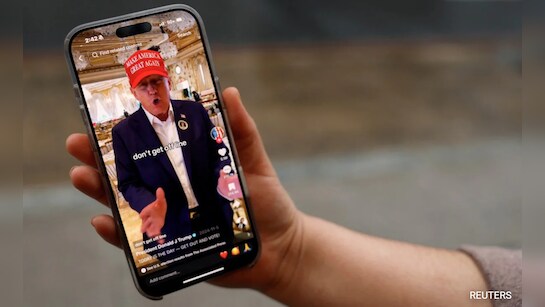
US President Donald Trump and Chinese President Xi Jinping discussed trade issues, including the TikTok agreement, during their September 19 conversation. The Chinese readout of this call emphasized 'mutual benefit.' With planned meetings between Trump and Xi at the upcoming Asia-Pacific Economic Cooperation Forum in South Korea, and Trump's potential Beijing visit next year, he likely wishes to maintain positive relations with Xi. Trump's leniency may also stem from his growing popularity among TikTok users, where his personal account has 15 million followers. These factors may explain Washington's accommodating approach toward TikTok. The key question remains whether this concept of mutual benefit signals Washington's shift from open confrontation with Beijing toward negotiating profitable arrangements, reflecting the transactional nature of Trump's second administration.
The opinions expressed in this article are the personal views of Harsh V Pant, Vice President at Observer Research Foundation, New Delhi, and Kalpit Mankikar, Fellow of China Studies at ORF.