
Hindu Population Declined Due To Foreign Invasions, Colonial Rule: Yogi Adityanath
- Date & Time:
- |
- Views: 64
- |
- From: India News Bull
Uttar Pradesh Chief Minister Yogi Adityanath has asserted that prolonged periods of foreign invasions and colonial rule in India not only exploited the nation's resources and people but also caused a dramatic reduction in the Hindu population.
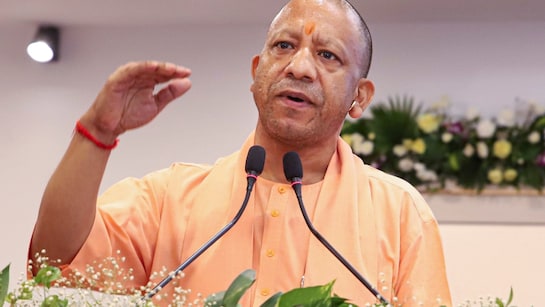
Speaking at a state-level workshop on 'Atmanirbhar Bharat-Swadeshi Sankalp' in Lucknow on Tuesday, Adityanath claimed that the Hindu population, which he stated was approximately 60 crore around the year 1100, had decreased to roughly 30 crore by India's independence in 1947.
"Around the year 1100, India's Hindu population stood at 60 crore. By the time we gained independence in 1947, this number had fallen to only 30 crore. Should our population have increased or decreased during these 800-900 years?" the Chief Minister questioned while addressing attendees.
Adityanath remarked that despite India possessing all resources necessary for prosperity, the country suffered due to divisive strategies employed by foreign rulers. "India lacked nothing. It had everything. However, some divided people based on caste, region, language, and various other factors. Even today, they continue to operate with this foreign mentality, creating divisions within society," he stated.
Connecting his observations to the government's focus on self-reliance and indigenous production, the Chief Minister explained that Prime Minister Narendra Modi's call for a Swadeshi movement aims to empower Indian workers and youth.
"Critics will attack this Swadeshi campaign in numerous ways. But the Prime Minister's message is clear—we should promote products made through the labor of Indian workers and the talent of our youth," Adityanath added.
A day earlier, on Monday, the central government introduced Goods and Services Tax (GST) 2.0, representing a significant reform in India's indirect tax system. On this occasion, Prime Minister Modi addressed citizens through a letter, announcing that the 'GST Bachat Utsav' (GST Savings Festival) would enhance savings and benefit all segments of society.
In his message, PM Modi extended Navratri greetings to the nation: "As the country celebrates the beginning of Navaratri, I offer heartfelt wishes to you and your families. May this festival bring good health, happiness, and prosperity to everyone. This year, the festive season brings an additional reason to celebrate. From September 22nd, the Next Generation GST reforms have begun making their impact, marking the commencement of a 'GST Bachat Utsav' or 'GST Savings Festival' across the country."
The Prime Minister emphasized that these reforms would increase savings and directly benefit various sections of society, including farmers, women, youth, the poor, middle-class individuals, traders, and MSMEs. "They will stimulate greater growth and investments while accelerating the development of every state and region," his letter stated.