
Automobiles To Online Shopping: How GST 2.0 Spurred Consumer Frenzy On Day 1
- Date & Time:
- |
- Views: 61
- |
- From: India News Bull
A new era for Indian consumers dawned with the implementation of GST 2.0 on September 22, creating remarkable market enthusiasm even before Navratri festivities began.
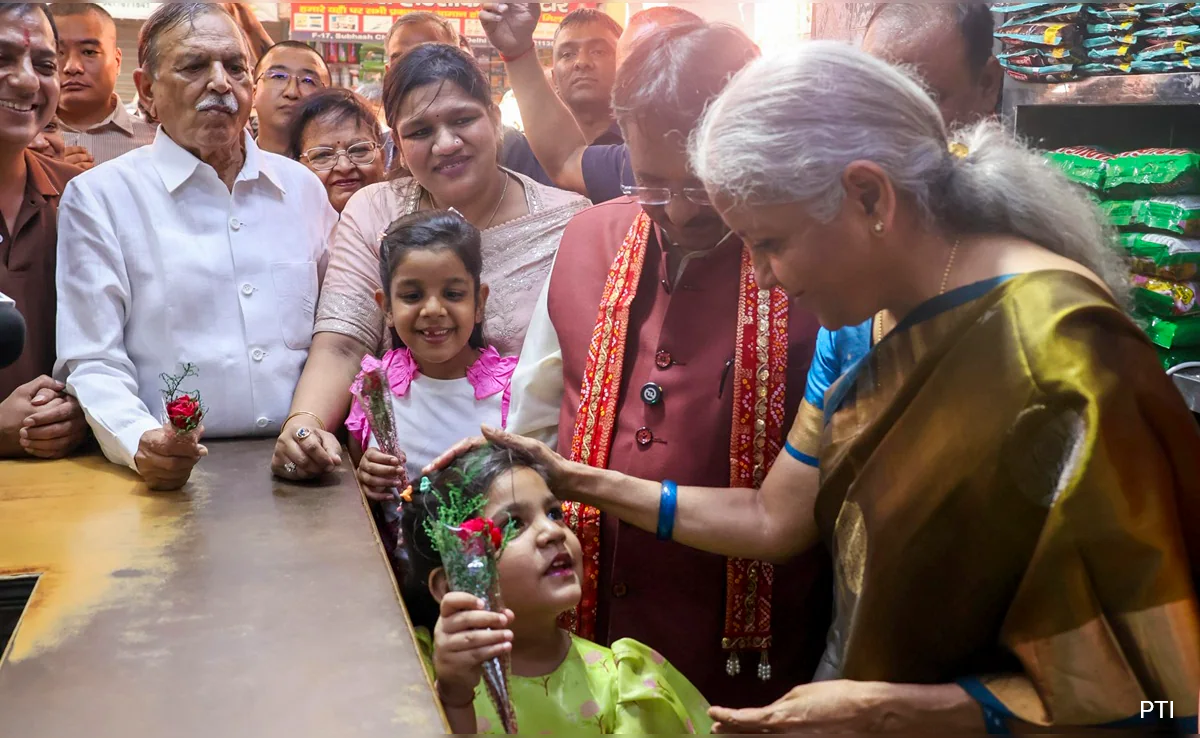
Union minister Nirmala Sitharaman visited a Delhi market following the GST reforms implementation.
The automobile sector experienced unprecedented success on the first day under the new tax framework. With the elimination of compensation cess on vehicles and reclassification of sub-4 metre cars into the 18 percent tax bracket, dealerships nationwide saw extensive customer queues.
Maruti achieved its most impressive single-day performance in 35 years, handling 80,000 inquiries and completing 30,000 deliveries. Small car bookings increased by 50 percent compared to typical festive season figures.
Hyundai celebrated its best performance in five years, with dealer transactions reaching 11,000 on September 22.
Tata Motors delivered 10,000 vehicles and received over 25,000 inquiries, marking a powerful start to the festive season.
For many families, GST 2.0 transformed long-held aspirations of purchasing a new vehicle into reality, making automobiles a more accessible festive acquisition.
The enthusiasm extended to digital marketplaces as consumers rushed to purchase fashion items, home essentials, and festive products.
Flipkart and Amazon launched their festive sales for loyalty program members, with numerous brands and sellers reporting significant benefits from GST reductions.
Fashion brand "The Pant Project" experienced a 15-20 percent sales increase compared to the previous year. Another fashion label, Snitch, reported a 40 percent rise in online orders.
Shadow Etail, selling on both Amazon and Flipkart platforms, witnessed home essentials traffic surge by 151 percent compared to the week before.
Electronics emerged as another success story, with reduced pricing on high-demand items such as televisions and air conditioners. Split AC prices decreased by Rs 3,000-Rs 5,000, while premium televisions saw price reductions up to Rs 85,000.
Haier reported nearly double the sales of a typical Monday, with numerous pre-bookings even before the new rates were implemented.
Blue Star estimated that its Day 1 sales were approximately 20 percent higher than the same day in the previous year.
Television sales, particularly in the 43-inch and 55-inch segments, experienced substantial growth. Super Plastronics Pvt Ltd, primarily selling through Flipkart, reported a 30-35% increase in sales.
GST 2.0 provided immediate relief and generated widespread consumer satisfaction, revitalizing demand across multiple industries and energizing the festive season with record-breaking sales from its first day.
The reforms arrive months after the new tax system, widely regarded as a "Diwali gift" for India's population. Described by PM Modi as "a reform dedicated to the people of India," the initiative delivered immediate relief through reduced prices and simplified tax structures on everyday essentials, creating an experience more akin to a festive bonus than a policy modification.