
HIV Infection in Four Thalassemia Children After Blood Transfusions at Madhya Pradesh Hospital Raises Serious Safety Concerns
- Date & Time:
- |
- Views: 32
- |
- From: India News Bull
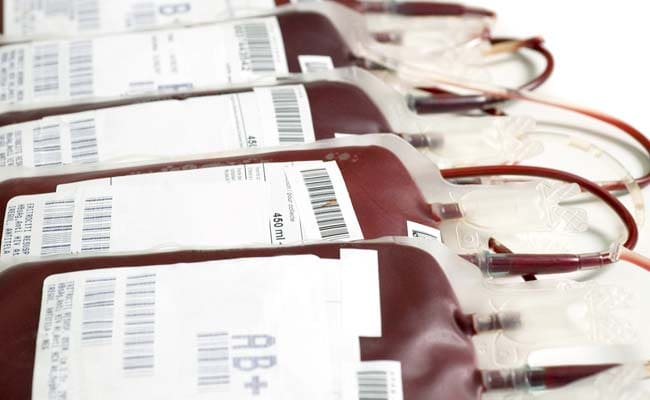
Four children with thalassemia have tested positive for HIV after receiving blood transfusions at the District Hospital blood bank in Satna, Madhya Pradesh. The concerning incident occurred approximately four months ago but was only recently discovered, creating alarm among families and raising critical questions about blood safety protocols.
Thalassemia patients require continuous blood transfusions throughout their lives. These affected children received multiple transfusions as part of their standard treatment. During subsequent medical evaluations, all four children were diagnosed as HIV positive. Their families have claimed that contaminated blood from the hospital's blood bank transmitted the infection.
National guidelines mandate screening blood for HIV, Hepatitis B, Hepatitis C, and other infections before transfusion. Investigators suspect either inadequate blood screening or the use of testing kits with insufficient sensitivity to detect early-stage infections.
According to sources, blood for these children came not only from Satna District Hospital but also from facilities in Rewa and other locations across Madhya Pradesh, making it challenging to identify the exact source of infection.
Following detection of the HIV cases, authorities initiated donor tracing per protocol. However, this process has been complicated by inaccurate contact information, incomplete addresses, and outdated records. Approximately half of the donors have been identified and contacted so far, with none definitively linked to the infection yet.
Satna Collector Dr. Satish Kumar S has requested a comprehensive report from the Chief Medical and Health Officer and ordered a thorough investigation into the entire blood transfusion process, including sourcing, testing, storage, and record-keeping procedures.
Dr. Devendra Patel, the District Hospital Blood Bank in-charge, noted that thalassemia patients undergo frequent transfusions, inherently increasing their exposure risk. "Follow-up tests revealed these children were initially HIV-negative before testing positive," explained Dr. Patel. He mentioned that rapid test kits were previously used for screening, but they have now implemented ELISA-based testing, which offers higher sensitivity.
Dr. Patel acknowledged that ELISA tests have a 20-90 day window period during which early HIV infections may remain undetected. He confirmed that all four children's parents tested HIV-negative, and the process of identifying and testing donors continues.
The National AIDS Control Organization (NACO) recently warned the State AIDS Control Society that without prompt action, India's goal of eliminating AIDS by 2030 could be compromised. NACO reports that Madhya Pradesh has approximately 70,000 HIV-positive patients, with an adult prevalence rate of 0.10 percent. The infection rate among injecting drug users has increased dramatically to 4.2 percent.
The central government has identified seven high-risk districts in Madhya Pradesh: Ashoknagar, Bhopal, Guna, Jabalpur, Narsinghpur, Sheopur, and Shivpuri. Authorities have been instructed to enhance testing efforts and launch targeted awareness campaigns in these areas.
Data from the Madhya Pradesh AIDS Control Society indicates a troubling trend: the HIV prevalence rate has increased substantially from 0.08 percent in 2021 to 0.43 percent in 2023.
Source: https://www.ndtv.com/india-news/madhya-pradesh-hospital-under-probe-as-4-children-with-thalassemia-test-hiv-positive-9824490