
India Proposes Preferential Trade Agreement with Mexico to Counter New Tariffs on $2 Billion Export Goods
- Date & Time:
- |
- Views: 39
- |
- From: India News Bull
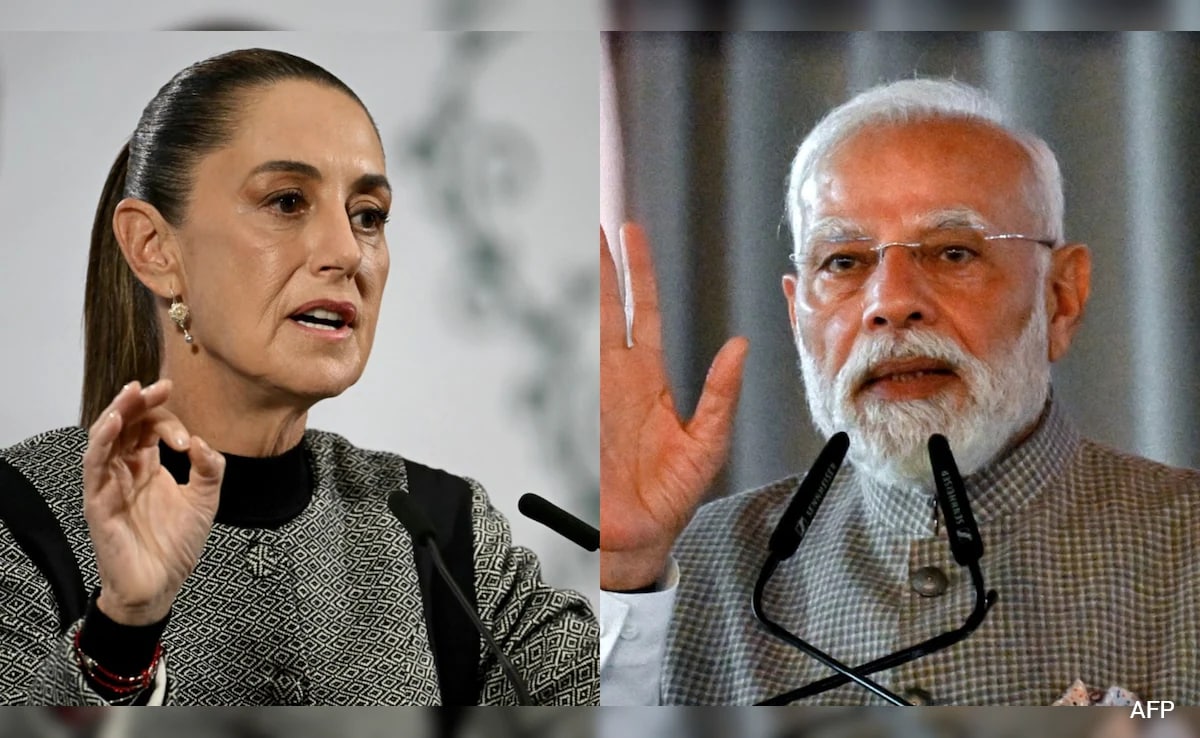
India has proposed a preferential trade agreement (PTA) with Mexico to help domestic exporters navigate the newly announced steep tariffs, according to Commerce Secretary Rajesh Agrawal on Monday.
Mexico recently decided to implement significant import tariffs ranging from approximately 5% to as high as 50% on about 1,463 tariff lines for goods from countries without free trade agreements with Mexico, including India, China, South Korea, Thailand, and Indonesia.
Agrawal confirmed that India has engaged with Mexico on this issue, stating, "Technical level talks are ongoing. The only expedient way forward is to pursue a preferential trade agreement as a full FTA would require considerably more time. We are exploring viable options."
While a free trade agreement (FTA) involves significant reduction or elimination of import duties on most traded goods between partners, a PTA focuses on duty reductions for a limited number of products.
Mexico's trading partners cannot file complaints against these high tariffs as they comply with World Trade Organisation (WTO) regulations. Agrawal noted that the tariffs are within Mexico's bound rates and that India was not their primary target.
"We have proposed a PTA as it represents a WTO-compatible solution. Through this arrangement, we can seek concessions beneficial for Indian supply chains while offering reciprocal concessions for their export interests in India," Agrawal explained.
Mexico has approved these increased MFN (most favoured nation) import tariffs, citing support for local production and the need to correct trade imbalances. The tariffs will take effect from January 1, 2026, targeting non-FTA partners within the WTO framework.
Preliminary estimates indicate that approximately $2 billion of India's exports to Mexico will be affected, particularly in sectors including automobiles, two-wheelers, auto parts, textiles, iron and steel, plastics, leather, and footwear. The measure also aims to reduce Chinese imports.
India-Mexico merchandise trade totaled $8.74 billion in 2024, with Indian exports at $5.73 billion, imports of $3.01 billion, resulting in a trade surplus of $2.72 billion for India.
The Indian government has been continuously assessing Mexico's tariff revisions since the issue emerged, engaging with stakeholders and working to safeguard Indian exporters' interests while pursuing constructive dialogue to ensure a stable trade environment beneficial to businesses and consumers in both countries.
Ajay Sahai, Director General of the Federation of Indian Export Organisations (FIEO), expressed concern about Mexico's decision, particularly for sectors such as automobiles and auto components, machinery, electrical and electronics, organic chemicals, pharmaceuticals, textiles, and plastics.
"Such steep duties will erode our competitiveness and risk disrupting supply chains that have taken years to develop," Sahai commented, adding that this development underscores the urgency for India and Mexico to accelerate work toward a comprehensive trade agreement.
According to industry body ACMA, domestic auto component manufacturers will face increased cost pressures due to Mexico's higher duties on Indian imports.
Source: https://www.ndtv.com/india-news/india-proposes-preferential-trade-deal-with-mexico-to-offset-steep-tariffs-9821865