
Delhi's Toxic Winter Crisis: AQI Exceeds 460 as North India Struggles with Severe Air Pollution
- Date & Time:
- |
- Views: 32
- |
- From: India News Bull
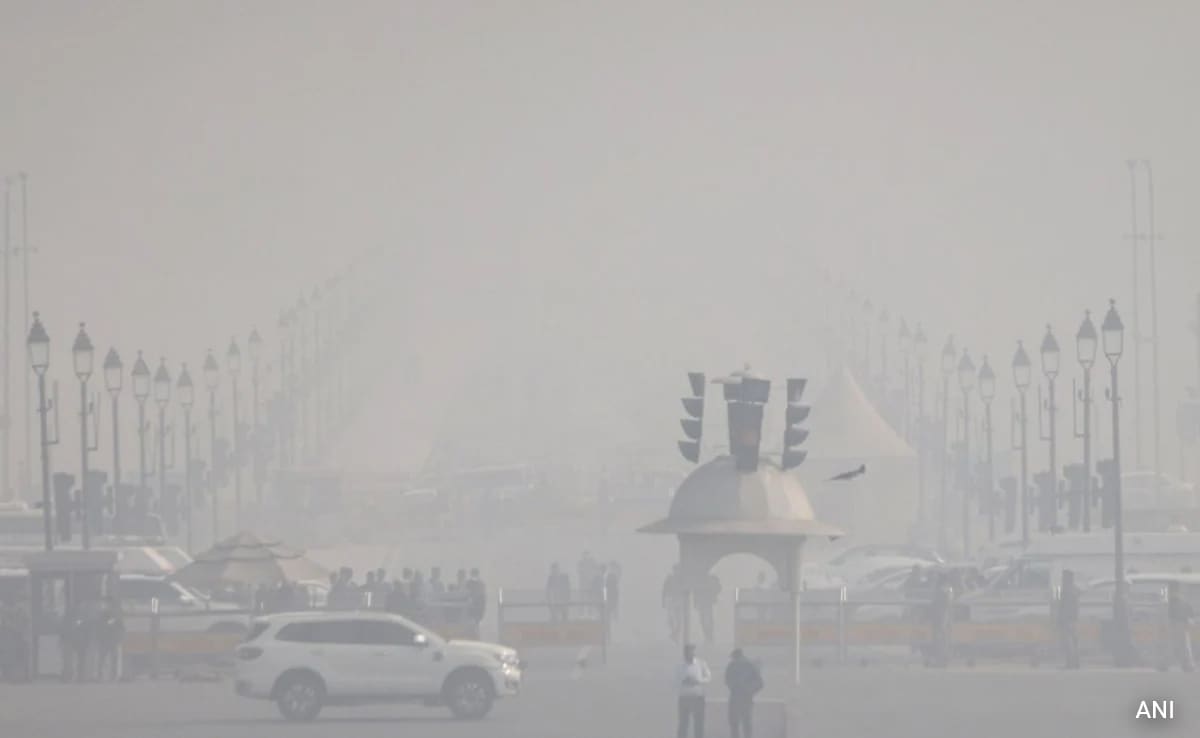
Delhi awakened to a dense toxic haze this morning, with severely reduced visibility disrupting flight operations and train schedules as the capital struggles with hazardous air quality levels. This environmental crisis has been intensifying since the conclusion of monsoon season, with pollution measurements steadily rising.
The situation has become critical over the last three days, with Air Quality Index (AQI) readings firmly established in the 'Severe' category. The air quality emergency extends beyond Delhi's borders, with neighboring NCR cities equally affected by the toxic atmosphere.
According to Central Pollution Control Board (CPCB) data, Delhi experienced 'Very Poor' air quality through early December 2025, with AQI values ranging between 259-372 until December 12.
A dramatic deterioration occurred starting December 13, when readings crossed into the 'Severe' classification:
Dec 13: AQI 431
Dec 14: AQI 461
Dec 15: AQI 427
Environmental scientists attribute this rapid decline to a combination of decreasing temperatures, minimal wind movement, and heightened emissions from vehicular traffic and industrial operations, creating conditions where pollutants become trapped near ground level.
By 4:00 pm on December 15, an alarming 29 out of Delhi's 39 monitoring stations recorded 'Severe' AQI readings (exceeding 400), with remaining stations reporting 'Very Poor' air quality. The most critically affected locations included:
Wazirpur: 486
Jahangirpuri: 481
Anand Vihar: 480
Ashok Vihar: 478
Vivek Vihar: 475
Even NSIT Dwarka, the least polluted monitoring station, registered 356 – still classified as 'Very Poor'.
The air quality crisis extends throughout the region. Surrounding cities like Greater Noida (447), Ghaziabad (444), and Noida (437) all recorded 'Severe' AQI levels on Monday, while Bahadurgarh (374) and Meerut (360) fell under the 'Very Poor' category. Gurugram and Manesar reported readings between 325 and 345, indicating dangerously unhealthy air quality.
CPCB data reveals a significant regional disparity: while North India suffers under toxic conditions, much of South and East India experiences considerably better air quality. Chennai (108), Bengaluru (103), and Hyderabad (104) reported 'Moderate' air quality, while hill stations like Gangtok (20) and Shillong (12) continued to enjoy 'Good' air conditions.
Medical professionals warn that extended exposure to such highly polluted air increases risk of respiratory diseases, cardiovascular complications, and chronic health issues.
Officials have implemented construction bans and advised residents to remain indoors when possible. Educational institutions across Delhi and NCR have transitioned to online learning formats to safeguard children's health. However, environmental experts emphasize the need for more comprehensive and stringent measures to address recurring winter pollution, including stricter emission regulations, vehicle pollution restrictions, and sustainable urban development strategies.
Source: https://www.ndtv.com/india-news/toxic-winter-delhis-aqi-breaches-460-ncr-cities-gasp-for-air-9816704