
Delhi Air Pollution Crisis: Rising Cases of Respiratory and Eye Diseases in Pets and Birds Alarming Veterinarians
- Date & Time:
- |
- Views: 40
- |
- From: India News Bull
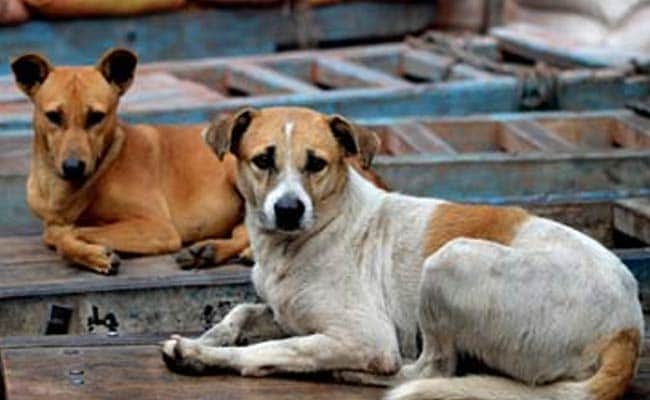
Veterinary doctors in New Delhi have reported a significant increase in respiratory distress, eye infections, and stomach ailments among pets and birds due to the worsening air pollution crisis.
According to veterinarians, animals that remain close to the ground are particularly vulnerable to fine particulate matter, especially PM2.5, which can penetrate deeply into the lungs and enter the bloodstream.
Sanjai Mahopatra, who founded the House of Stray Animals NGO and works as a practicing veterinarian, has observed dogs and cats developing serious respiratory problems. "In the past one and a half months, we've handled approximately 55 to 60 cases of dogs and cats suffering from lung congestion. This frequently progresses to conditions like distemper, characterized by coughing, fever, eye and nose discharge, and sometimes pneumonia," he explained. Mahopatra further noted that pollution weakens immune systems and exacerbates viral and neurological conditions.
Rameshwar Yadav, a veterinary doctor specializing in bird treatment in east Delhi's Shahdara, confirmed witnessing a marked increase in animal illnesses attributable to air pollution. "During recent weeks, I've treated around 25 birds with watery, irritated eyes. Many are also experiencing eye infections and digestive issues, which we attribute to extended exposure to dust and contaminated air," Yadav told PTI.
Princess, a veterinarian at an animal clinic in Model Town who also advocates for animal welfare, emphasized that ground-level exposure makes pets particularly susceptible. "Dogs, cats, and rabbits breathe closer to the ground where PM2.5 concentration is higher. These tiny particles enter their respiratory system and bloodstream, resulting in lung congestion and digestive problems. Dust also accumulates on their fur, which they ingest while grooming, leading to throat infections and diarrhea," she explained.
Her clinic has managed approximately 150 such cases since November alone.
The increasing incidents of animal health issues coincide with the persistent smog affecting Delhi.
On Monday, the city struggled under a dense layer of smog, with the Air Quality Index (AQI) reaching 498, firmly within the "severe" category. Data revealed that air quality was classified as "severe" at 38 monitoring stations and "very poor" at two.
Jahangirpuri recorded the worst air quality with an AQI of 498, while Wazirpur reached the maximum possible reading of 500, beyond which the Central Pollution Control Board does not register measurements.
On Sunday, the AQI had risen to 461, marking Delhi's most polluted day this winter and the second-worst December air quality on record, as weak winds and low temperatures trapped pollutants near the surface.
Veterinarians have recommended that pet owners reduce outdoor exposure, ensure animals remain well-hydrated, and seek immediate medical attention at the first indication of breathing difficulties or eye irritation.
Source: https://www.ndtv.com/india-news/delhi-air-pollution-vets-see-surge-in-respiratory-eye-diseases-in-animals-9814358