
Technology as a Tool for Justice: Chief Justice Surya Kant Advocates for Human-Centered Legal Technology
- Date & Time:
- |
- Views: 38
- |
- From: India News Bull
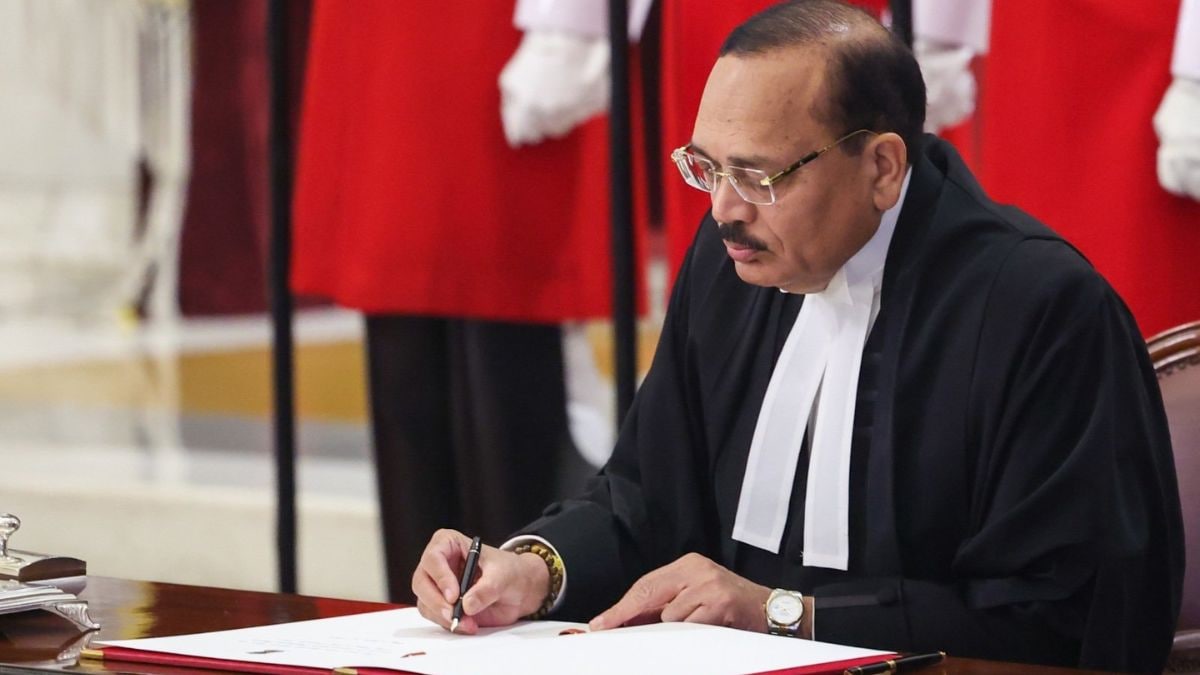
Justice Surya Kant emphasized that technology should enhance human judgment rather than substitute it during his address in Cuttack.
At a symposium focusing on strategies to reduce litigation costs and delays for common citizens, Chief Justice of India Surya Kant highlighted critical challenges facing the judicial system.
The Chief Justice pointed out that case backlogs affect every level of the judicial hierarchy. "When blockages occur at higher courts, the pressure intensifies throughout the system, particularly at lower levels," he explained.
Justice Kant underscored the importance of robust judicial infrastructure to address pending cases. "Even the most dedicated judicial system will fail under logistical constraints without sufficient courts," he stated.
While acknowledging technology's vital role during the COVID pandemic, the Chief Justice cautioned about its limitations. "In an era of deepfakes and digital arrests, courts cannot afford naive optimism," he warned.
Justice Kant expressed concerns about technological reforms that might exclude vulnerable populations. "If reforms exclude the elderly, poor, or digitally unfamiliar citizens, they represent regression rather than progress. Technology must serve justice, not replace it," he emphasized.
The Chief Justice used a compelling metaphor to describe the importance of cooperation between branches of government. "A system where executive, legislature, and judiciary are not harmonized resembles a tricycle missing a wheel—the rule of law cannot balance or progress," he stated.
He further elaborated on the consequences of such imbalance: "While laws may be enacted, offenses registered, and liberty restricted, citizens remain waiting for timely trials that inadequate infrastructure cannot deliver."
The symposium was attended by Orissa High Court Chief Justice Harish Tandon, judges from various high courts across India, and Advocate General Pitambar Acharya.
Source: https://www.ndtv.com/india-news/technology-should-amplify-human-judgment-not-replace-it-chief-justice-surya-kant-9807400