
Decade-Long Failure: No Emission Monitoring at 11 Coal Plants Contributing to Delhi's Air Crisis
- Date & Time:
- |
- Views: 43
- |
- From: India News Bull
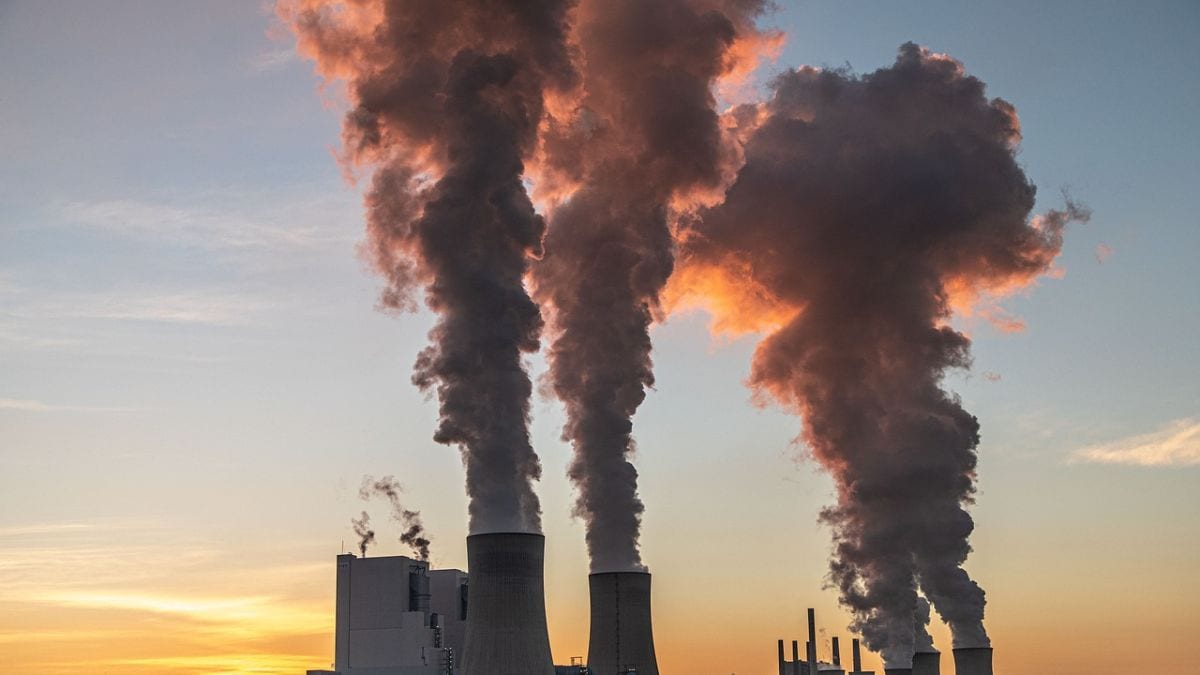
There are 11 coal-based thermal power plants within a 300-km radius of Delhi (representational)
New Delhi: As Delhi struggles with toxic air quality levels exceeding 400 in the 'severe' category, authorities have hastily reimposed stringent GRAP-3 restrictions across the NCR region.
However, a shocking revelation has emerged through an RTI response: the Central Pollution Control Board (CPCB) has not conducted comprehensive stack-emission monitoring at any of the 11 coal-fired thermal power plants within 300 km of Delhi for over a decade.
Major polluters including NTPC Dadri and others continue to emit particulate matter, sulphur dioxide, and various toxins that significantly contribute to Delhi's deadly air pollution. No penalties have been enforced despite 2015 mandates requiring these plants to install Flue Gas Desulphurisation (FGD) systems and comply with stricter emission norms.
The 11 coal-based thermal power plants operating 35 units within this radius are primarily located in Haryana, Punjab, and Uttar Pradesh. These facilities are substantial sources of air pollution, releasing sulphur dioxide (SO2), nitrogen oxides (NOx), particulate matter (PM), and heavy metals into the atmosphere.
According to research by the Centre for Research on Energy and Clean Air (CREA), these thermal power plants emit SO2 levels 16 times higher than seasonal stubble burning in Punjab and Haryana. Proper implementation of control measures could potentially reduce regional SO2 emissions by up to 67 percent.
The SO2 released from these plants reacts in the atmosphere to form secondary fine particulate matter (PM2.5), a major component of Delhi's winter smog. This particulate matter penetrates deep into the lungs and bloodstream, worsening respiratory diseases, asthma, heart conditions, and contributing to premature deaths. Unlike seasonal pollution sources, experts note that thermal power plants contribute pollutants consistently throughout the year, accounting for a significant portion of the region's PM2.5 burden.
In 2015, the Ministry of Environment, Forest and Climate Change (MoEF&CC) established stringent emission standards for thermal power plants, requiring compliance including installation of Flue Gas Desulphurisation systems to control SO2 emissions.
However, the CPCB's RTI response reveals a complete failure in monitoring and enforcement over the past decade. The board admitted it "has not carried out thorough stack emission monitoring of TPPs located within 300 km radius of Delhi after the applicability of the emission standards prescribed vide notification dated 07.12.2015," with only partial monitoring at two facilities where results remain pending.
According to a MoEF&CC notification from July this year, SO2 standards are now mandatorily applicable only to Category 'A' thermal power plants. Of the four such plants within 300 km of Delhi, three have installed SO2 control measures, while the Panipat TPS (3 Units) in Haryana has until December 31, 2027, to implement these systems. The CPCB has not taken enforcement action against any of these plants regarding emission standards implementation.
Environmentalist Amit Gupta, who filed the RTI, called the findings a "shocker," stating: "This failure alone explains why major industrial emissions continue unchecked... You cannot reduce what you do not measure. And right now, Delhi's air is being managed blindly."
This revelation highlights a critical gap in regulatory oversight, with no comprehensive stack monitoring conducted for any plant in a decade and no enforcement actions taken despite known non-compliance. Environmental advocates argue that without rigorous monitoring and penalties, these power plants operate with impunity, directly impacting public health in one of the world's most polluted regions.
Source: https://www.ndtv.com/india-news/no-monitoring-of-emissions-from-11-coal-plants-near-delhi-for-10-years-rti-9803377