
Delhi Expands to 13 Districts: Administrative Overhaul Promises Streamlined Governance and Enhanced Service Delivery
- Date & Time:
- |
- Views: 28
- |
- From: India News Bull
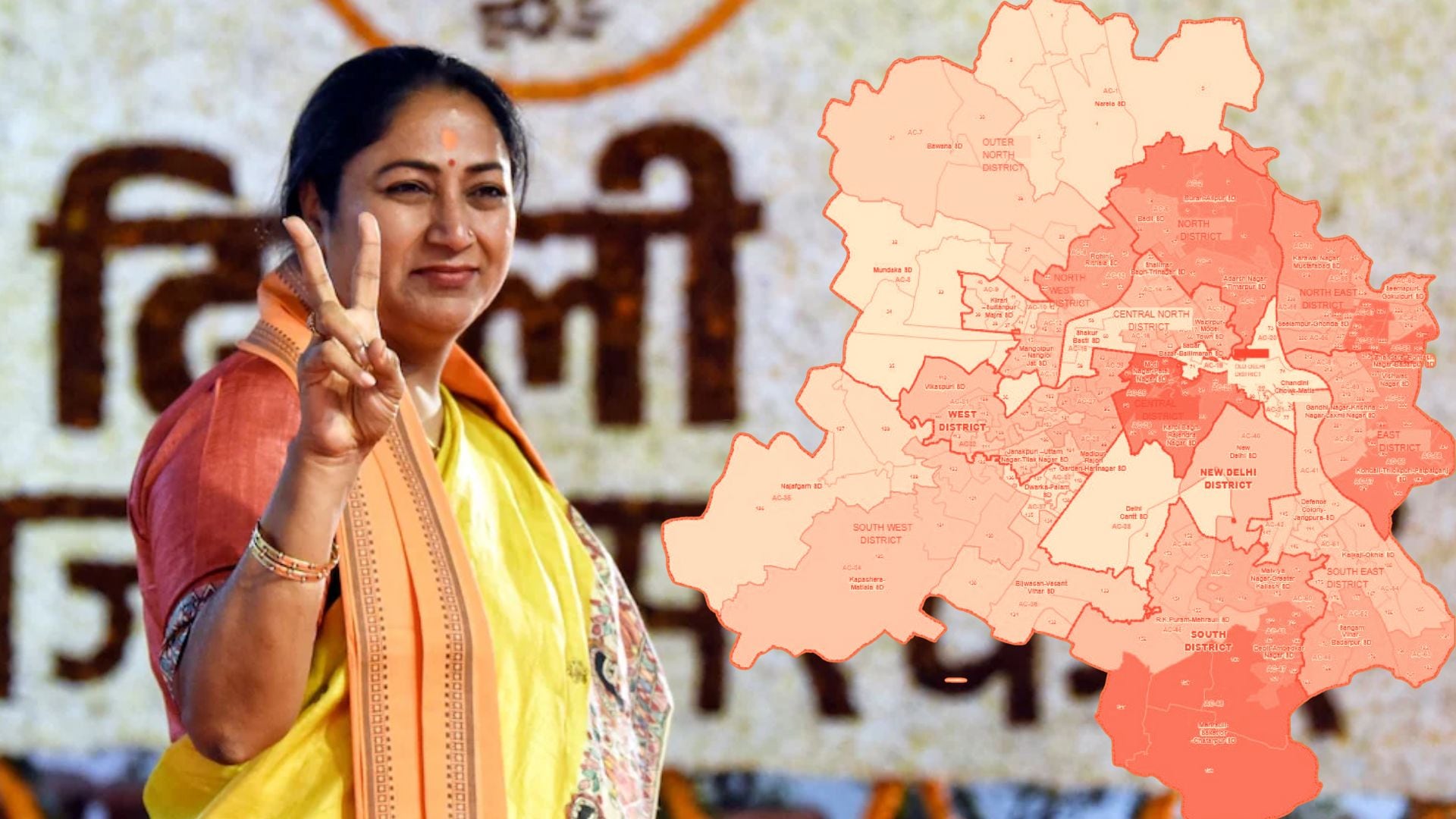
Every district will now be equipped with a Mini Secretariat, functioning as a single-window service hub for residents.
New Delhi:
The Delhi Cabinet approved a significant administrative restructuring on Wednesday, expanding the Capital from 11 to 13 revenue districts. This substantial redrawing of Delhi's revenue map aims to resolve longstanding jurisdictional confusion that has forced residents to navigate between misaligned offices for basic services.
According to officials, the new structure finally aligns revenue boundaries with Municipal Corporation of Delhi (MCD) zones, New Delhi Municipal Council (NDMC), and the Delhi Cantonment Board, addressing widespread demands for clarity in the city's complex administrative framework.
Under the revised map, the government has increased subdivisions from 33 to 39, enabling officers to manage smaller geographical areas and accelerate decision-making processes. Sub-Registrar Offices, essential for property registration and land documentation, have been substantially increased from 22 to 39. Officials indicate this expansion will reduce crowding, minimize repeat visits, and eliminate the common problem of citizens being directed to incorrect district offices.
Each district will feature a Mini Secretariat that consolidates revenue, land, licensing, and coordination offices in one location. The administration believes this centralization will significantly streamline paperwork requirements for average citizens.
According to the government, Delhi's reorganized districts and subdivisions are:
South East: Jangpura, Kalkaji
Old Delhi: Badarpur, Sadar Bazar
North: Chandni Chowk, Burari, Adarsh Nagar
New Delhi: Delhi Cantt, New Delhi
Central: Patel Nagar, Karol Bagh, Shakur Basti
Central North: Shalimar Bagh, Model Town
South West: Najafgarh, Matiala, Dwarka, Bijwasan
Outer North: Mundka, Narela, Bawana
North West: Kirari, Nangloi Jat, Rohini
North East: Karawal Nagar, Gokal Puri, Yamuna Vihar, Shahdara
East: Gandhi Nagar, Vishwas Nagar, Patparganj
South: Chhatarpur, Malviya Nagar, Deoli, Mehrauli
West: Vikaspuri, Janakpuri, Rajouri Garden
For years, Delhi residents have struggled with administrative boundaries that didn't align. A property could simultaneously fall under different jurisdictions for revenue, municipal services, and local administration. This misalignment resulted in processing delays, interdepartmental file transfers, and confusion regarding administrative responsibilities.
Officials explain that the new structure resolves these issues by ensuring synchronized administrative boundaries. Senior bureaucrats and district teams advocated for this realignment, arguing it would enhance transparency, accountability, and service delivery efficiency.
The implementation timeline includes gazette notification within 15 days, complete implementation by December 2025, and an initial allocation of Rs 25 crore for infrastructure development and staffing requirements.
While the restructured map promises improved efficiency and clarity, successful execution remains crucial. Creating new Sub-Divisional Magistrate and Sub-Registrar offices, upgrading information technology systems, harmonizing land records, and coordinating with police districts, NDMC, and Cantonment authorities will require meticulous planning.
Governance experts emphasize the importance of the next 12 months. Effective inter-agency coordination, strategic staff appointments, and updated Standard Operating Procedures will determine whether this reform achieves its primary objective: delivering faster, more transparent, and predictable services.
The Chief Minister endorsed the decision, stating, "One Delhi, One Boundary, One Window-this decision brings the government closer and simpler for every citizen."
The government anticipates that this comprehensive reorganization will enhance the city's ease-of-living index, reduce bureaucratic procedures, and improve accessibility to government services for residents.
Source: https://www.ndtv.com/india-news/delhi-redraws-map-will-now-have-13-districts-instead-of-11-9794245