
India Maintains Own Air Quality Standards: Government Rejects Global Rankings as Unofficial
- Date & Time:
- |
- Views: 37
- |
- From: India News Bull
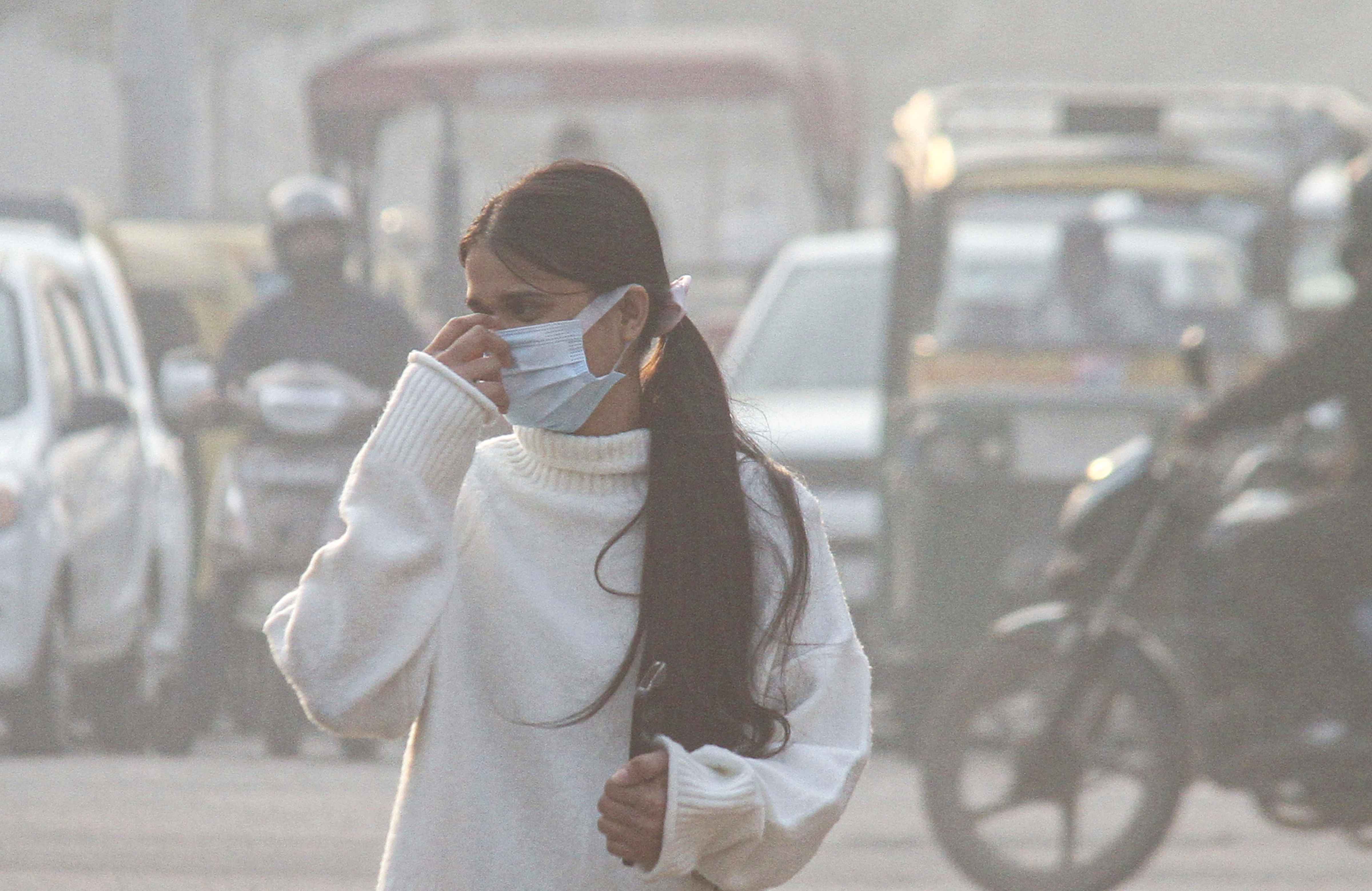
The Centre informed the Rajya Sabha on Thursday that there is no official global air pollution ranking system in existence. The government clarified that frequently referenced international indices such as IQAir World Air Quality Report, WHO Global Air Quality Database, Environmental Performance Index (EPI), and Global Burden of Disease (GBD) metrics are not conducted by any official authority.
Minister of State for Environment Kirti Vardhan Singh provided a written response stating, "The World Health Organisation's air quality guidelines serve only as guidance and are recommended values to help countries achieve good air quality. However, countries prepare their own air quality standards based on geography, environmental factors, background levels, socio-economic status and national circumstances."
This statement was in response to questions raised by CPI(M) MP V Sivadasan regarding India's positions in global air quality rankings since 2020 and the methodologies these indices employ.
The Ministry emphasized that India has established its own National Ambient Air Quality Standards (NAAQS) for 12 pollutants in 2009, specifically designed to protect public health and the environment while accounting for India's unique conditions.
In addressing a separate inquiry about Delhi's air quality, Environment Minister Bhupender Yadav highlighted several positive developments resulting from targeted policy initiatives:
- The number of "Good to Moderate" air quality days (AQI less than or equal to 200) in Delhi has increased from 110 in 2016 to 200 in 2025 (to date).
- Average AQI (January-November) has shown improvement from 213 in 2018 to 187 in 2025.
- Not a single day in 2025 has registered "Severe Plus" (AQI over 450) air quality in the national capital.
- Farm fire incidents in Punjab and Haryana collectively have decreased by approximately 90 percent during the 2025 paddy harvesting season compared to 2022.
The government also conducts its own annual assessment called Swachh Vayu Survekshan, which evaluates 130 cities under the National Clean Air Programme (NCAP) based on their implementation of air quality improvement measures. Top-performing cities are recognized annually on National Swachh Vayu Diwas (September 7).
While the World Health Organisation significantly tightened its air quality guidelines in 2021 (setting 24-hour PM2.5 limit at 15 micrograms per cubic meter and annual limit at 5 micrograms per cubic meter), India continues to follow its 2009 NAAQS standards (with 24-hour PM2.5 at 60 micrograms per cubic meter and annual at 40 micrograms per cubic meter), which the government maintains are appropriate for India's specific national conditions.
Source: https://www.ndtv.com/india-news/india-sets-own-air-quality-standards-global-rankings-not-official-centre-9792630