
Courts Cannot Act As Recovery Agents For Collection Of Money: Supreme Court
- Date & Time:
- |
- Views: 52
- |
- From: India News Bull
The Supreme Court has stated that courts cannot function as agents for debt recovery and criticized the growing tendency to transform civil disagreements into criminal cases by parties in conflict.
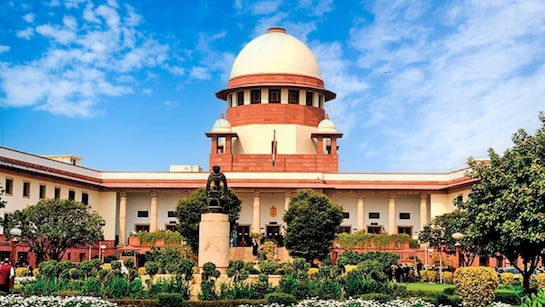
A bench comprising Justices Surya Kant and N Kotiswar Singh emphasized that using arrest threats to recover outstanding debts is inappropriate, noting this as a contemporary issue where individuals file criminal charges to recover money in what are essentially civil disputes.
These remarks were delivered by the Supreme Court on Monday regarding a criminal case from Uttar Pradesh, where the bench noted kidnapping accusations against an individual in what was fundamentally a monetary recovery dispute.
Additional Solicitor General KM Nataraj, representing the Uttar Pradesh government, highlighted an increase in such complaints and explained that police face a dilemma: if they don't register cases where cognizable offenses are alleged, courts reprimand them, but if they do register these cases, they're accused of bias and procedural violations.
He pointed out that these complaints typically frame monetary recovery disputes as criminal offenses.
Justice Kant acknowledged the police's difficult position, noting that failure to file FIRs for alleged cognizable offenses results in criticism for not adhering to the Supreme Court's 2013 Lalita Kumar judgment.
The bench advised police to carefully determine whether a case is civil or criminal before making arrests, stating that such misuse of criminal law poses a significant threat to the justice system.
Justice Kant emphasized: "Courts are not recovery agents for the parties to recover outstanding amounts. This misuse of the judicial system cannot be allowed." The Supreme Court suggested to Nataraj that states could appoint district-level nodal officers, preferably retired district judges, whom police could consult to determine whether an offense is civil or criminal before proceeding legally.
The bench requested Nataraj to seek instructions and update the court within two weeks.
The Supreme Court has repeatedly highlighted the recent trend of parties filing criminal cases for civil disputes to expedite resolution of their grievances.
(This story has not been edited by NDTV staff and is auto-generated from a syndicated feed.)