
PM Modi Welcomes UNESCO's 20th Intangible Cultural Heritage Session at India's Historic Red Fort
- Date & Time:
- |
- Views: 57
- |
- From: India News Bull
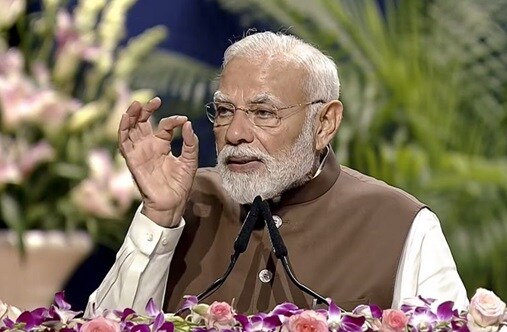
Prime Minister Narendra Modi expressed his enthusiasm as the 20th session of UNESCO's Committee on Intangible Cultural Heritage launched in India's capital on Monday, representing a significant cultural achievement for the nation.
In his social media post on X, PM Modi highlighted that this prestigious international forum has assembled representatives from more than 150 countries "to protect and popularise our shared living traditions," noting the significance of the session being hosted for the first time in India at the historic Red Fort.
"It is a matter of immense joy that the 20th Session of UNESCO's Committee on Intangible Cultural Heritage has commenced in India. This forum has brought together delegates from over 150 nations with a vision to protect and popularise our shared living traditions. India is glad to host this gathering, and that too at the Red Fort. It also reflects our commitment to harnessing the power of culture to connect societies and generations," PM Modi stated in his post.
According to official information, India is hosting UNESCO's 20th Intangible Cultural Heritage Committee session from December 8 to December 13 for the first time.
The iconic Red Fort complex, already designated as a UNESCO World Heritage Site, has been selected as the venue, symbolically bringing together India's tangible and intangible heritage under one roof.
Vishal V Sharma, India's permanent delegate to UNESCO, will chair the meeting. The event coincides with the twentieth anniversary of India's ratification of the 2003 Convention for the Safeguarding of the Intangible Cultural Heritage in 2005, emphasizing India's ongoing dedication to preserving living cultural traditions.
UNESCO defines intangible cultural heritage as the practices, knowledge, expressions, objects, and cultural spaces that communities recognize as part of their cultural identity. This heritage is transmitted across generations and continuously evolves, reinforcing cultural identity and promoting appreciation for diversity.
For the Safeguarding of Intangible Cultural Heritage, UNESCO adopted the 2003 Convention on October 17, 2003, during its 32nd General Conference in Paris. The Convention addressed global concerns that living cultural traditions, oral practices, performing arts, social customs, rituals, knowledge systems, and craftsmanship faced increasing threats from globalization, social transformation, and resource limitations.
The Convention positioned communities, particularly indigenous communities, groups, and individual practitioners, at the center of safeguarding efforts, recognizing their essential role in creating, maintaining, and transmitting cultural heritage.
Source: https://www.ndtv.com/india-news/matter-of-immense-joy-pm-modi-as-unesco-cultural-heritage-session-begins-9774673