
Nigerian Man Gets 10 Year Jail In 2012 Heroin Trafficking Case In Tamil Nadu
- Date & Time:
- |
- Views: 55
- |
- From: India News Bull
Nigerian National Sentenced to 10-Year Imprisonment in 2012 Heroin Trafficking Case
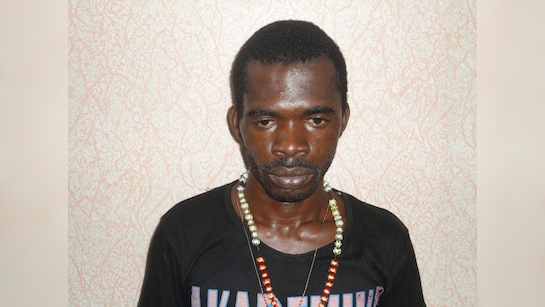
In its statement, the NCB characterized the conviction as a "significant achievement" (Representational)
A Nigerian national has been sentenced to 10 years of rigorous imprisonment and fined Rs 1 lakh by a special court in Coimbatore for a narcotics case originating in 2012.
According to information from the Narcotics Control Bureau (NCB), Chennai Zonal Unit, the case began on July 17, 2012, when NCB officers intercepted three courier parcels in Chennai. The narcotics were hidden inside ladies' handbags, car gasket cardboard packages, and embroidery items, with intended destinations including West Africa, Australia, and Spain.
Upon thorough examination, authorities discovered 1.195 kg of heroin and 200 gm of methaqualone, valued at more than Rs 2 crore in the international market.
Further investigation led to the apprehension of James, also known as Emmanuel Chukwunonso Samson, a Nigerian citizen, in Erode. The NCB recovered 4 kg of ganja from his possession, reportedly acquired from Namakkal for further distribution. Officials indicated that James had organized the international shipment of narcotics using courier services.
The NCB submitted a complaint to the Special NDPS Court in Coimbatore in September 2012. On September 20, 2025, the court found James guilty under provisions of the Narcotic Drugs and Psychotropic Substances (NDPS) Act, 1985.
A high-ranking police official informed NDTV that the convicted individual has already completed his 10-year sentence and has been transferred from prison to a special camp.
In their official statement, the NCB referred to the conviction as a "significant achievement" and reaffirmed their dedication to realizing the vision of Nasha Mukt Bharat (Drug-Free India).
The agency has encouraged citizens to report information regarding narcotics trafficking through the National Narcotics Helpline (1933), guaranteeing the confidentiality of informants.
This development occurs amid political disagreements in Tamil Nadu concerning the alleged increase in drug trafficking. Opposition parties assert that the state is becoming a trafficking center and express concern about rising drug use among students. In contrast, police maintain that Tamil Nadu is neither a drug-producing state nor exhibits high consumption rates, emphasizing that all cases are being addressed firmly. The governing DMK has attributed responsibility to ports in Gujarat, identifying them as primary entry points for drugs smuggled into the country.