
Understanding the IndiGo Flight Crisis: Causes, Impact, and How to Navigate Flight Disruptions
- Date & Time:
- |
- Views: 33
- |
- From: India News Bull
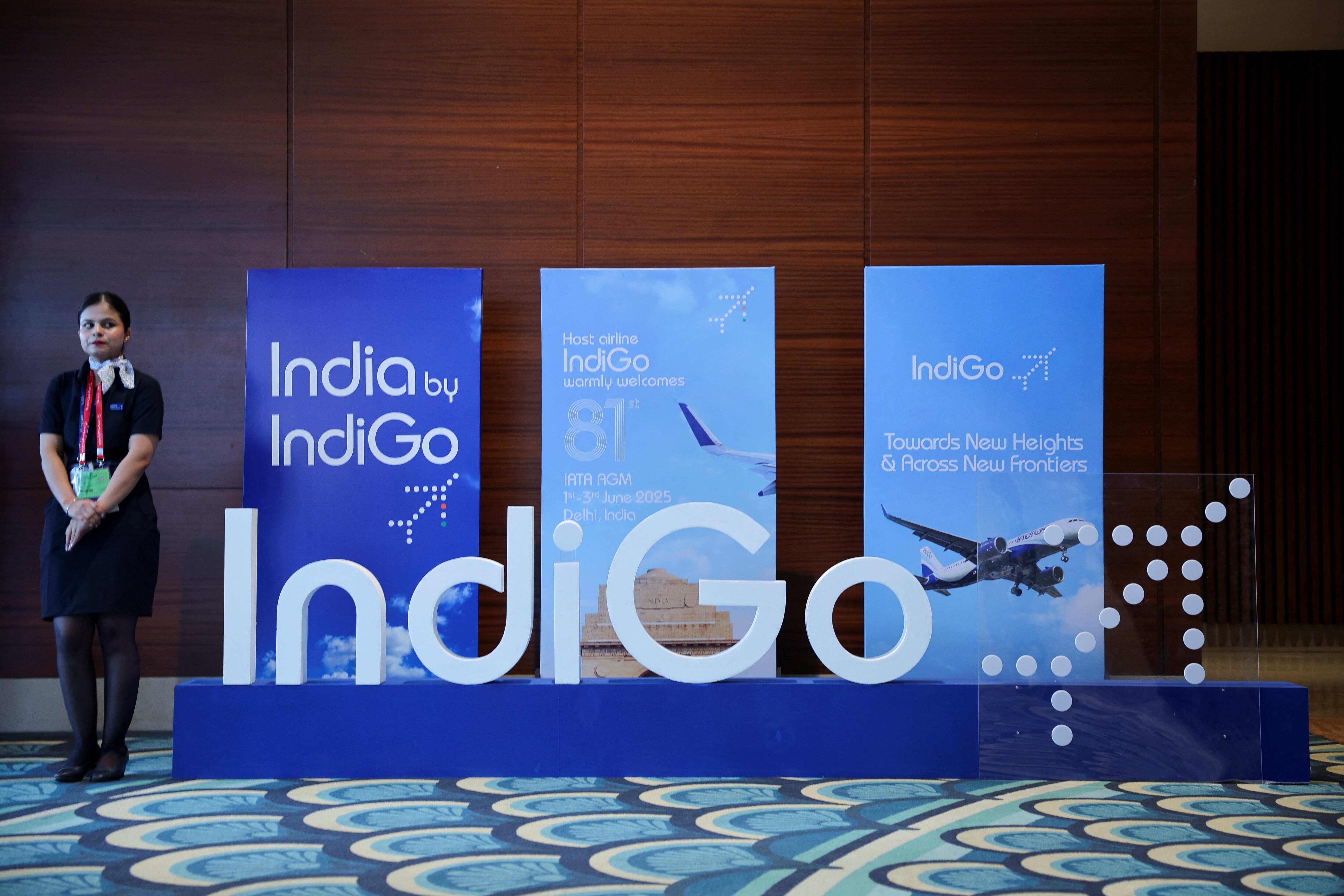
Chaos has erupted at IndiGo counters across airports throughout India as the airline grapples with significant operational challenges.
New Delhi:
From angry confrontations to desperate pleas and overwhelming helplessness, chaotic scenes are unfolding at IndiGo counters nationwide. The airline is currently struggling with severe operational issues resulting in extensive delays and cancellations affecting hundreds of flights and disrupting travel plans for thousands of passengers.
As frustrated travelers share their experiences on social media platforms, NDTV addresses the most common questions about this crisis and offers guidance on how to prepare for upcoming flights.
The Root Causes of the Disruption
IndiGo has attributed the widespread disruption to "a multitude of unforeseen operational challenges." These include technical glitches, schedule adjustments for the winter season, adverse weather conditions, increased congestion in the aviation network, and most significantly, the implementation of updated crew rostering regulations (Flight Duty Time Limitations).
While most of these factors occur periodically, the latter represents the most significant challenge. In January 2024, the Directorate General of Civil Aviation (DGCA) implemented comprehensive changes to passenger aircraft regulations, primarily focusing on ensuring adequate rest periods for pilots and crew members to enhance safety standards.
The new regulations include extended weekly rest requirements for flight crews, a redefined night period (extended by one hour), and stricter limitations on maximum flight duty periods and night landings. For instance, pilots and crew members are now restricted to two night shifts per roster period, compared to six previously.
As these regulations took effect, numerous crew members could no longer operate according to the airlines' established schedules, resulting in significant roster disruptions, cancellations, and delays.
Why IndiGo Faces the Greatest Impact
IndiGo has been disproportionately affected by the new regulations largely due to its operational scale. According to company information, IndiGo operates over 2,200 domestic and international flights daily—approximately twice Air India's daily operations. With such extensive operations, even a 10-20% rate of delayed or canceled flights translates to 200-400 affected services and thousands of inconvenienced passengers.
Furthermore, IndiGo's business model as a low-cost carrier has traditionally relied on high-frequency overnight operations to maximize flight hours and minimize aircraft downtime. This approach fundamentally conflicts with the DGCA's new crew rest regulations, exacerbating the current disruption.
The Airline Pilots' Association of India noted that carriers had nearly two years to implement the DGCA's new regulations. "Despite sufficient time being provided, most airlines began preparations rather late, failing to properly adjust crew rosters 15 days in advance as required. This suggests initial managerial underestimation or delays in strategic planning necessary for appropriate crew provisioning," the association stated.
The Federation of Indian Pilots directly attributed the disruption to "IndiGo's prolonged and unorthodox lean manpower strategy across departments, particularly in flight operations" in a formal letter to the DGCA.
Scale of Disruption and Recovery Timeline
Over a 48-hour period, more than 300 flights have been canceled, with approximately 100 additional cancellations expected today. Of these, 33 are likely to affect services to and from Hyderabad, while Bengaluru might experience over 70 cancellations. Numerous passengers have shared their frustrations online. One traveler reported, "We have been at Hyderabad Airport from yesterday at 6:00 PM until today at 9:00 am - over 12 hours - with no action taken by IndiGo regarding the Pune flight. This situation has caused significant inconvenience."
Another passenger accused the airline of misleading travelers: "Total chaos at Hyderabad airport today - flights delayed 12+ hours. To avoid providing accommodation, they kept pushing departure times by 'just 2 more hours' repeatedly for 12 hours. Same excuse: crew is coming soon. Unacceptable."
IndiGo has assured customers that operations will normalize within the next 48 hours as they implement "calibrated adjustments" to minimize disruption. "Our teams are working around the clock to ease customer discomfort and ensure operations stabilize as quickly as possible," the airline stated, while apologizing for the inconvenience.
Preparing for Your Upcoming Flight
If you have a scheduled IndiGo flight, regularly check your flight status before departing for the airport. Arrive at the airport with ample time to spare, as queues may be longer than usual due to the ongoing disruption.
Pack essential items including snacks, water, and necessary medications in case your flight is canceled and you face extended airport waits. This preparation is particularly important when traveling with family members, especially children and seniors.
If you selected flexible booking options such as date changes or free cancellation, consider utilizing these options. For future bookings, prioritize refundable fares or alternative flight options to accommodate potential last-minute cancellations.
Additionally, monitor IndiGo's social media channels for announcements and contact customer service directly regarding rescheduling and refund inquiries.
Necessary Systemic Changes
The Federation of Indian Pilots highlighted that IndiGo inexplicably maintained a "hiring freeze" despite awareness of the impending DGCA rule changes. "Other airlines adequately provisioned pilots and remain largely unaffected due to timely planning and preparation. The current disruption directly results from IndiGo's prolonged and unorthodox lean manpower strategy across departments, particularly in flight operations," the federation wrote to the DGCA.
The pilots' organization emphasized that "despite the two-year preparatory period before full FDTL implementation, the airline inexplicably adopted a hiring freeze, entered non-poaching arrangements, maintained a pilot pay freeze through cartel-like behavior, and demonstrated other short-sighted planning practices."
They urged the DGCA to approve seasonal flight schedules only after airlines demonstrate adequate pilot staffing under the new regulations.
The Airline Pilots' Association of India suggested another perspective: "Aviation experts have indicated that the resulting delays and cancellations across airlines could represent an 'immature pressure tactic' to influence the regulator for further relaxations in the new FDTL norms, potentially compromising the original safety objectives." The association cautioned that granting unwarranted exemptions would jeopardize passenger and crew safety, as the primary purpose of the new standards is fatigue reduction. "Any relaxations should be based on scientific assessment and adequate risk mitigation," they advised.
Both pilot associations have recommended that the DGCA consider airlines' pilot availability when granting slots and approving flight schedules.
Source: https://www.ndtv.com/india-news/indigo-flight-delays-indigo-flights-cancelled-scale-of-ops-tight-roster-less-downtime-why-new-rules-grounded-indigo-9748804