
Tejas Fighter Jet Deliveries Stalled Due To Delay In Engine Supplies From US
Inside the high-tech Tejas fighter jet assembly hangar of Hindustan Aeronautics Limited (HAL), rows of India's indigenous Light Combat Aircraft (LCA) stand ready - airframes complete, avionics tested, and missiles primed.
- Date & Time:
- |
- Views: 57
- |
- From: India News Bull
Indian Air Force awaits 12 Tejas jets from HAL this fiscal year as promised.
Bengaluru:
Within HAL's sophisticated assembly facility in Bengaluru, multiple Tejas Light Combat Aircraft sit in formation - their structures complete, electronics systems verified, and weaponry ready for deployment. However, despite Hindustan Aeronautics Limited's preparedness, these indigenous fighter jets remain unable to take flight. The primary obstacle? Delayed engine deliveries from American manufacturers.
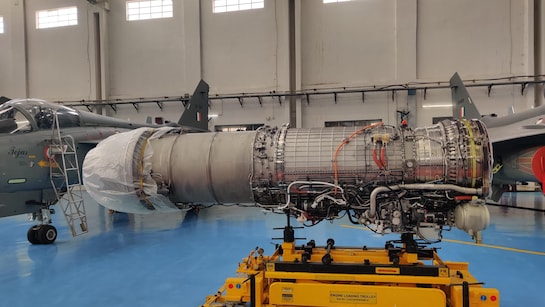
Speaking exclusively with NDTV, HAL Chairman and Managing Director Dr DK Sunil pointed to a recently arrived power unit. "What you're seeing here is the third engine that arrived from General Electric just days ago," he explained, indicating the newly delivered GE 404 engine. "We'll be installing it into the aircraft shortly, and our team is prepared for delivery. Currently, all aircraft structures are completed. The bottleneck remains the engine supply situation, and General Electric has assured us they're working to accelerate deliveries".
While HAL has pledged to supply 12 Tejas fighters to the Indian Air Force in the current fiscal year, the slow engine shipments may force an adjustment to this commitment. "In the worst-case scenario, we'll likely deliver 10 aircraft based on current engine supply projections," Dr Sunil noted. "We've also encountered some challenges with software systems and missile integration, but these issues should be resolved within the month".
The Tejas program, representing India's aerospace manufacturing capabilities, has encountered challenges along its development path. A recent incident during military exercises in Rajasthan's Pokhran raised safety questions. Dr Sunil addressed this directly: "This was related to maintenance procedures, not a fundamental design issue. General Electric has provided specific inspection protocols for this difficult-to-access area. Apart from this incident, the aircraft's safety record remains outstanding".
These delays have strengthened arguments for domestic engine development. What's clearly needed is an 'atmanirbhar' (self-reliant) jet engine program; HAL has fulfilled its responsibilities. The current constraint lies with foreign suppliers.
This situation follows earlier criticism when Indian Air Force chief Amar Preet Singh publicly urged HAL to improve delivery timelines and enhance coordination. While HAL has significantly improved its production capabilities, dependence on international suppliers continues to present strategic challenges.
With completed Tejas aircraft lined up and technical teams standing ready, the situation illustrates a clear reality: India's indigenous fighter jets are prepared for operational deployment - if only their engines would arrive according to schedule.