
Understanding India's Sanchar Saathi: The Mandatory Cybersecurity App for All New Smartphones
- Date & Time:
- |
- Views: 45
- |
- From: India News Bull
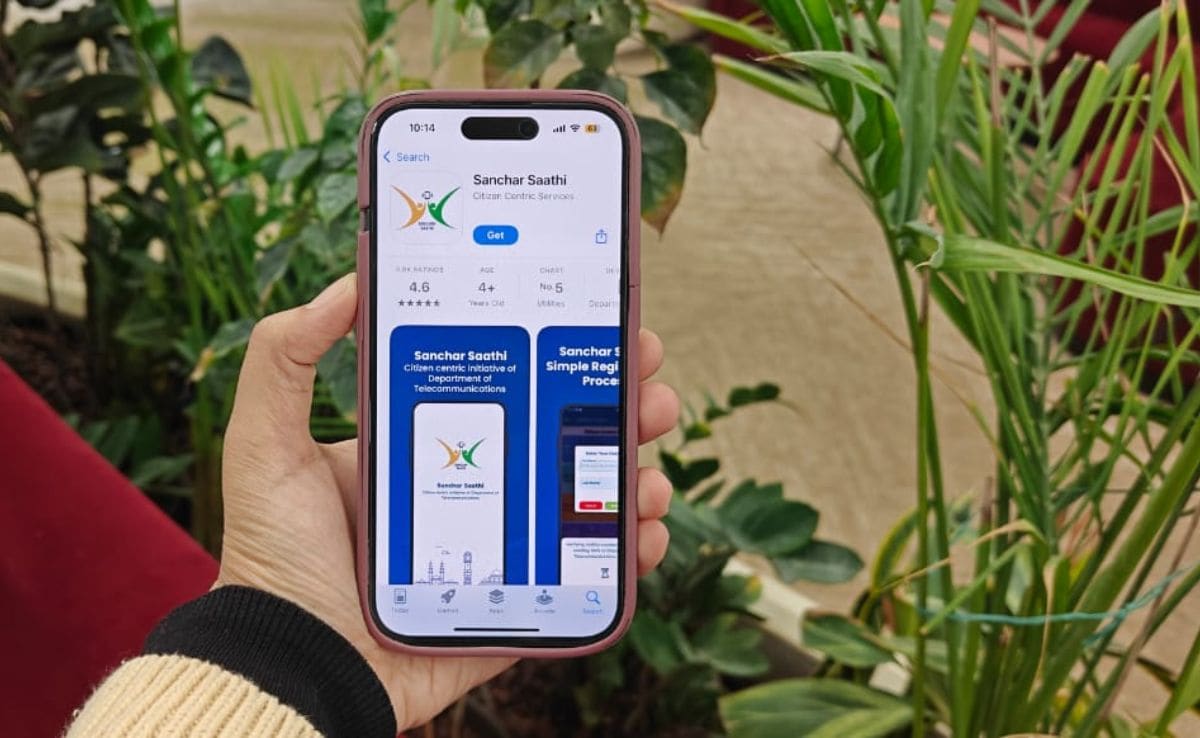
Sanchar Saathi is a comprehensive security and awareness platform created by the Department of Telecommunications to help protect mobile users in India.
The Telecom Ministry has recently mandated that all smartphone manufacturers, including major brands like Apple, Samsung, and Xiaomi, must pre-install the government's Sanchar Saathi cybersecurity app on all new devices. Companies have been granted a 90-day compliance period, with the directive specifically stating that users should not have the ability to uninstall or disable the application.
Sanchar Saathi, developed by the Department of Telecommunications (DoT), functions as both an app and a web portal designed to assist mobile users in managing their digital identity, reporting suspicious activities, and protecting their devices. The platform also offers educational content about telecom safety and cyber risks, effectively serving as an integrated service-and-awareness system.
The app can currently be downloaded from both Google Play Store and the Apple App Store.
Sanchar Saathi offers several key features. The 'Chakshu' feature enables users to report suspicious communications including calls, SMS, and WhatsApp messages such as fake KYC alerts, impersonation scams, or phishing attempts. This helps authorities identify fraud patterns, though actual financial fraud cases should still be reported to 1930 or cybercrime.gov.in.
Users can report unwanted commercial calls and spam messages that violate TRAI regulations, with complaints filed within seven days potentially resulting in action against the sender.
The platform allows for reporting of malicious links, unsafe APKs, and fraudulent websites, helping authorities quickly detect and respond to cyber threats.
A valuable identity protection feature shows users how many mobile numbers are registered using their personal information, helping identify unauthorized SIM cards.
For lost or stolen devices, users can block the IMEI number to prevent unauthorized use, with the option to unblock if the device is recovered.
When purchasing second-hand phones, users can verify device authenticity by validating the IMEI number.
The app enables reporting of international calls disguised as Indian numbers (+91), which are often used in scams through illegal telecom setups.
Additional features include finding local internet service providers by entering location information, and verifying trusted contacts and helpline numbers through a directory of genuine customer-care numbers, emails, and websites for banks and other institutions.
The government justifies the mandatory preloading by highlighting Sanchar Saathi's significant results in combating mobile-related crime. With over 1.2 billion mobile users in India, mobile fraud, impersonation, and device theft remain persistent challenges. According to official data, the system has facilitated the recovery of more than 700,000 stolen or lost phones since launch, including 50,000 in October alone.
However, this directive has created tension, particularly with companies like Apple, which traditionally opposes forced installation of external apps, including government applications, and typically avoids any app that users cannot delete. Other manufacturers are concerned this could establish a precedent for additional mandatory applications in the future. Privacy advocacy groups have also raised concerns that a mandatory app might compromise users' control over their devices and data handling, despite the government's stated security objectives.
Source: https://www.ndtv.com/india-news/sanchar-saathi-explained-what-it-is-and-why-it-is-being-made-mandatory-9734512