
Delhi's Yamuna River Remains Polluted Despite Rs 5,536 Crore Investment: Infrastructure Gaps Revealed
- Date & Time:
- |
- Views: 48
- |
- From: India News Bull
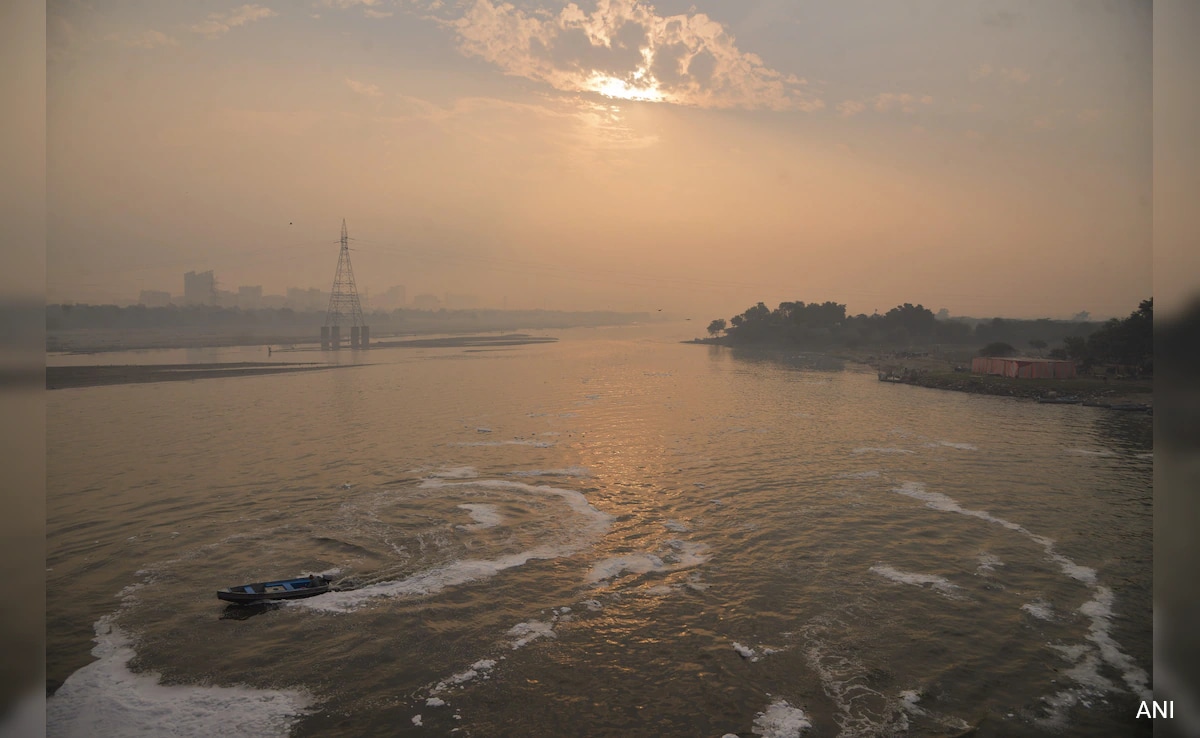
The Yamuna River enters Delhi at Palla with relatively clean water.
Despite an expenditure of Rs 5,536 crore over the past three fiscal years, the Yamuna River continues to flow polluted through Delhi. A Rajya Sabha written response on Monday detailed the specific causes: a 414 MLD sewage treatment deficit, absent industrial effluent facilities, delays in STP upgrades, and a daily 4,221-tonne gap in solid waste management.
The Ministry of Jal Shakti indicated that these systemic deficiencies continue to contaminate the river despite multiple ongoing cleanup initiatives.
Untreated sewage remains the primary pollutant affecting the Yamuna River. The government reported that the discharge of untreated and partially treated sewage constitutes the main factor behind the river's deteriorating condition.
Data from the Delhi Pollution Control Committee (DPCC) shows that as of August 2025, Delhi faced a 414 million litres per day (MLD) discrepancy between sewage generation and treatment capacity, resulting in substantial volumes flowing directly into drainage systems that discharge into the Yamuna.
Several authorized industrial zones across Delhi still operate without Common Effluent Treatment Plants (CETPs), according to the official response. This allows industrial waste to enter stormwater drains untreated, eventually combining with domestic sewage before reaching the Yamuna.
The Ministry emphasized significant delays in constructing new sewage treatment plants and upgrading existing facilities. These setbacks have prevented Delhi from addressing its treatment capacity shortfall and have considerably hampered improvements in water quality throughout the city.
Improper solid waste management continues to significantly contribute to pollution levels. Delhi generates 11,862 tonnes of solid waste daily, yet processes only 7,641 tonnes, according to DPCC's reports to the National Mission for Clean Ganga (NMCG). This creates a daily deficit of 4,221 tonnes, with unprocessed waste ultimately contaminating drains, floodplains, and the river itself.
While the Delhi Jal Board has invested Rs 5,536 crore over three years on Yamuna cleanup efforts, the river becomes increasingly polluted within city limits because fundamental infrastructure remains inadequate.
The river enters Delhi at Palla with comparatively acceptable water quality. CPCB measurements from January to July 2025 showed BOD at 4 mg/l and DO at 6 mg/l, while DPCC monitoring in September 2025 recorded BOD at 2.5 mg/l and DO at 9.5 mg/l, within healthy parameters. However, as the river flows past urban drainage outlets carrying untreated waste, water quality deteriorates dramatically.
Under the Namami Gange Programme, the NMCG has approved 35 projects worth Rs 6,534 crore for Yamuna restoration. These initiatives aim to establish 2,243 MLD of sewage treatment capacity. The Ministry informed Parliament that 21 of these projects have been completed.
The central government's assessment clearly indicates that Delhi's Yamuna restoration now hinges entirely on repairing the city's dysfunctional infrastructure systems. Until Delhi addresses its sewage treatment deficit, installs proper industrial treatment facilities, and manages its waste production comprehensively, the river will continue to bear the burden of Delhi's pollution regardless of financial investments.
Source: https://www.ndtv.com/india-news/ministry-explains-why-yamuna-remains-dirty-in-delhi-despite-huge-spending-9733163