
Ancient Democracy: How Tamil Nadu's Uttaramerur Inscriptions Reveal World's Earliest Democratic Model
- Date & Time:
- |
- Views: 47
- |
- From: India News Bull
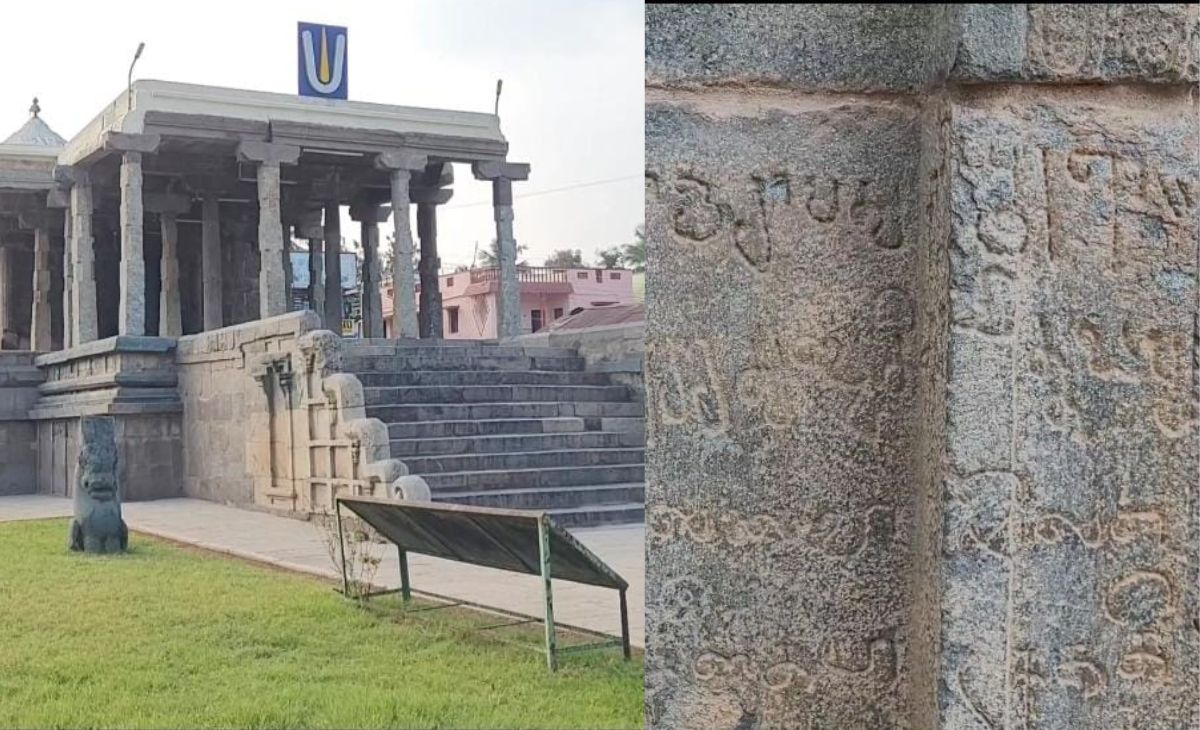
The inscriptions are spread across the walls of the ancient Vaikuntha Perumal Temple in Chennai.
Prime Minister Narendra Modi's recent mention of the renowned Uttaramerur inscriptions in Tamil Nadu has ignited renewed public curiosity about what numerous historians and scholars consider one of the world's earliest and most comprehensive models of grassroots democracy.
The Prime Minister's comments have directed fresh attention to the Chola-era Kudavolai system, an electoral process that operated over a millennium ago, choosing village leaders through a sophisticated 'pick-of-lots' methodology.
Located on the walls of the historic Vaikuntha Perumal Temple in Uttiramerur, Kanchipuram district, these inscriptions detail a highly organized framework for local governance. In conversation with NDTV, historian Dr. Nandita Krishna characterized the inscriptions as "essentially an ancient Election Commission handbook," outlining procedures, eligibility requirements, disqualification criteria, and the responsibilities of elected representatives.
Central to this democratic system was the Kudavolai method. Names of candidates, written on palm leaves, were placed in a pot, from which a child would randomly select, ensuring impartiality. "Officials were elected with transparency, often through chance, but only after meeting strict eligibility standards," explained Tamil scholar Dr. Balaji. Candidates needed to be between 35 and 70 years old, possess land in the village to ensure accountability, and maintain precise financial records. Those failing to submit accounts, along with their relatives, were prohibited from participating in elections.
While Chola monarchs governed extensive territories, local administration was managed by these elected village councils, which oversaw revenue collection, public works, and community matters. "This represented a robust model of decentralization. India truly is the mother of democracy. The British adopted it. What we had established was considerably older and deeply embedded in society," noted Dr. Krishna.
Both experts emphasize that the requirement for land ownership wasn't intended to favor the wealthy but rather to ensure decision-makers were invested stakeholders in the community. Elected members were tasked with protecting village resources, collecting taxes equitably, and maintaining accurate records. Failure to fulfill these duties resulted in strict penalties.
As national conversations about democratic traditions continue, Uttiramerur stands as testament that democratic governance in India has ancient roots – structured, codified, and implemented long before modern electoral institutions emerged.
Source: https://www.ndtv.com/india-news/this-tamil-nadu-town-had-worlds-earliest-democracy-model-9723085