
Opinion | After New Tariffs, Trust Between US And India Is Running Low
Despite the "doom and gloom" and memories of 1998 and 2013, ties can still be repaired if the US chooses. But this requires a deeper appreciation for India's true "redlines" on agriculture market access and a consistent approach to agriculture.
- Date & Time:
- |
- Views: 67
- |
- From: India News Bull
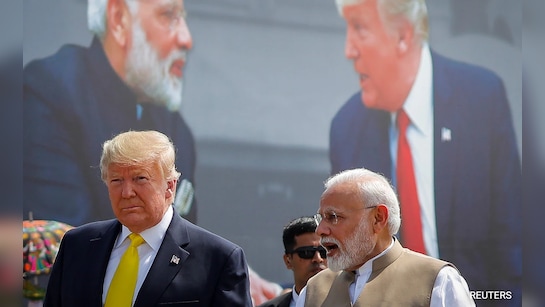
The US-India relationship faces significant strain following the Trump administration's imposition of additional 25% tariffs on August 6, specifically targeting India's Russian oil purchases. This trade conflict transcends mere commerce—it's fundamentally about security and trust between two strategic partners. Despite building relations painstakingly over a generation, the current administration risks depleting this reservoir of goodwill by demanding unrealistic agricultural market access concessions. While memories of previous tensions from 1998 and 2013 loom, relationship repair remains possible if America recognizes India's genuine limitations on agriculture and develops a consistent approach regarding Russia. Currently, the broader strategic alliance stands at considerable risk.
Working in a position that bridges US-India commercial and military relationships provides me unique perspective. The first Trump administration demonstrated unusual clarity in recognizing the interconnections between economic and security matters—domains typically siloed within Washington policy circles.
The Economic-Strategic ConnectionIndia represents a compelling trade partner on purely commercial grounds. Poised to surpass both Germany and Japan to become the world's third-largest economy, India possesses the planet's largest consumer market—a position likely to remain permanent. The natural complementarities between American and Indian economies create synergies, particularly with India's vibrant technology services sector.
However, the bilateral economic integration case extends beyond immediate commercial benefits. China's export-oriented growth strategy necessitates access to India's massive market for reasons outlined above. The resulting trade surpluses provide Beijing with resources for military modernization and regional infrastructure financing. These advantages allow Chinese manufacturers to achieve greater scale and reduce production costs, including in dual-use sectors like computers, drones, rare earth magnets, quantum computing, navigation systems, marine vessels, communications infrastructure, robotics and more. Despite Indian government efforts to curtail imports, China remains India's largest import source with continuously growing market share, as Table 1 demonstrates.
Simultaneously, India has strengthened strategic cooperation with America across multiple domains, especially defense. Beyond joint military exercises and increased American defense equipment sales to India, the relationship has pioneered new collaborative frontiers—India joining the US Navy-led Combined Forces Maritime Bahrain, agreements enabling Indian shipyards to service US Navy vessels, and indications of operational coordination during India's confrontations with China.
India's Diversification StrategyMeanwhile, India actively pursues trade agreements with other partners. Even before President Trump's inauguration, India secured tariff-focused agreements with the United Arab Emirates (February 2022), Australia (April 2022), and the Swiss-led European Free Trade Association (March 2024). More recently, India finalized a free trade agreement with the United Kingdom (May 2025). On average, these agreements permit duty-free access to approximately 90% of India's tariff lines. Additional negotiations continue. These arrangements boost manufacturing capabilities and help participating countries reduce Chinese trade dependencies.
President Trump appears to be applying extraordinary pressure on India to compromise on trade redlines. Unusual engagement with Pakistan following India-Pakistan tensions, coupled with renewed verbal criticism regarding Russian energy purchases, has rekindled India's historical concerns about American partnership reliability. The United States rapidly depletes goodwill accumulated during the Biden administration, when officials downplayed potential relationship-damaging issues like the murder-for-hire case in New York and India's hesitation to condemn Russia's Ukraine invasion—incidents that previously would have triggered prolonged diplomatic freezes.
A Path ForwardDespite the Trump administration's escalating rhetoric and tariffs against India, Delhi has largely refrained from intensifying the dispute. While tensions run high, substantial opportunities for reconciliation exist. This requires the Trump administration to conclude a mutually beneficial trade agreement without demanding tariff concessions that would politically endanger the Modi government.
If America can overcome this initial hurdle, both nations must consider additional confidence-building measures to replenish the severely depleted "trust reservoir" and establish a stronger, more comprehensive strategic partnership.
(Richard Rossow is a senior adviser and holds the Chair on India and Emerging Asia Economics at the Center for Strategic and International Studies in Washington, DC. This piece was published at csis.org and has been reproduced by NDTV with due permission.)
Disclaimer: These are the personal opinions of the author