
judicial reform
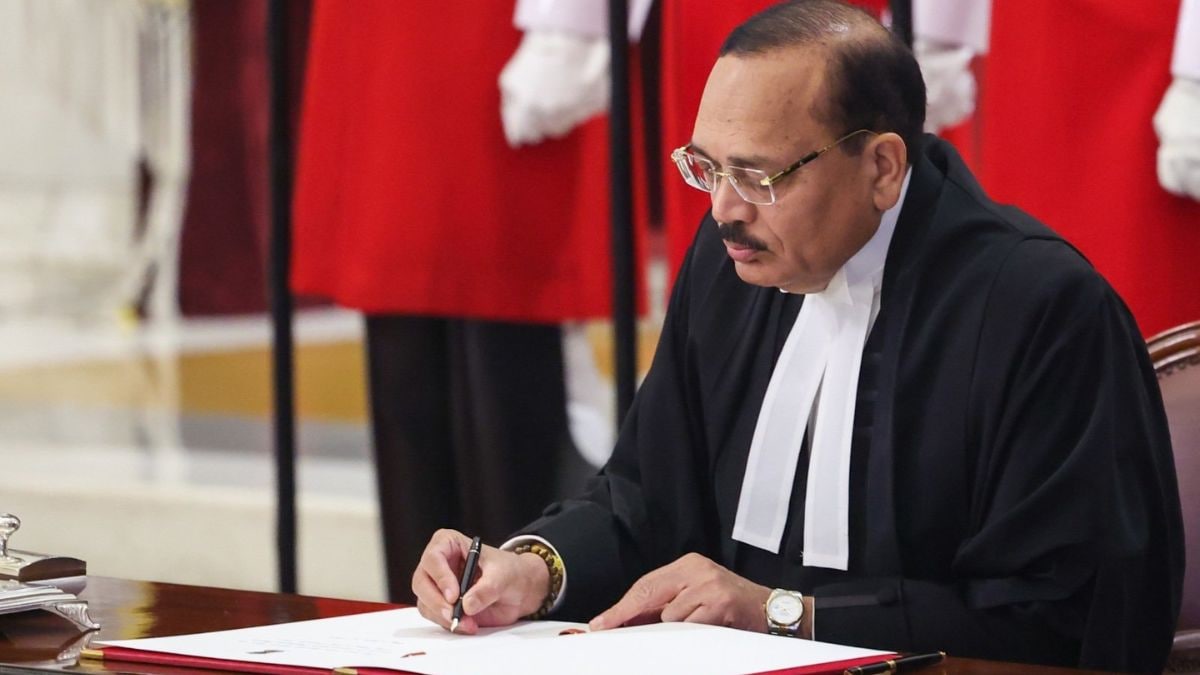
Technology as a Tool for Justice: Chief Justice Surya Kant Advocates for Human-Centered Legal Technology
Dec 14, 2025 06:58 pm CST
Chief Justice of India Surya Kant addresses the delicate balance between technological advancement and human judgment in the judicial system, warning against over-reliance on digital solutions while emphasizing the need for infrastructure improvements to reduce case backlogs and ensure accessible justice for all citizens, regardless of digital literacy.
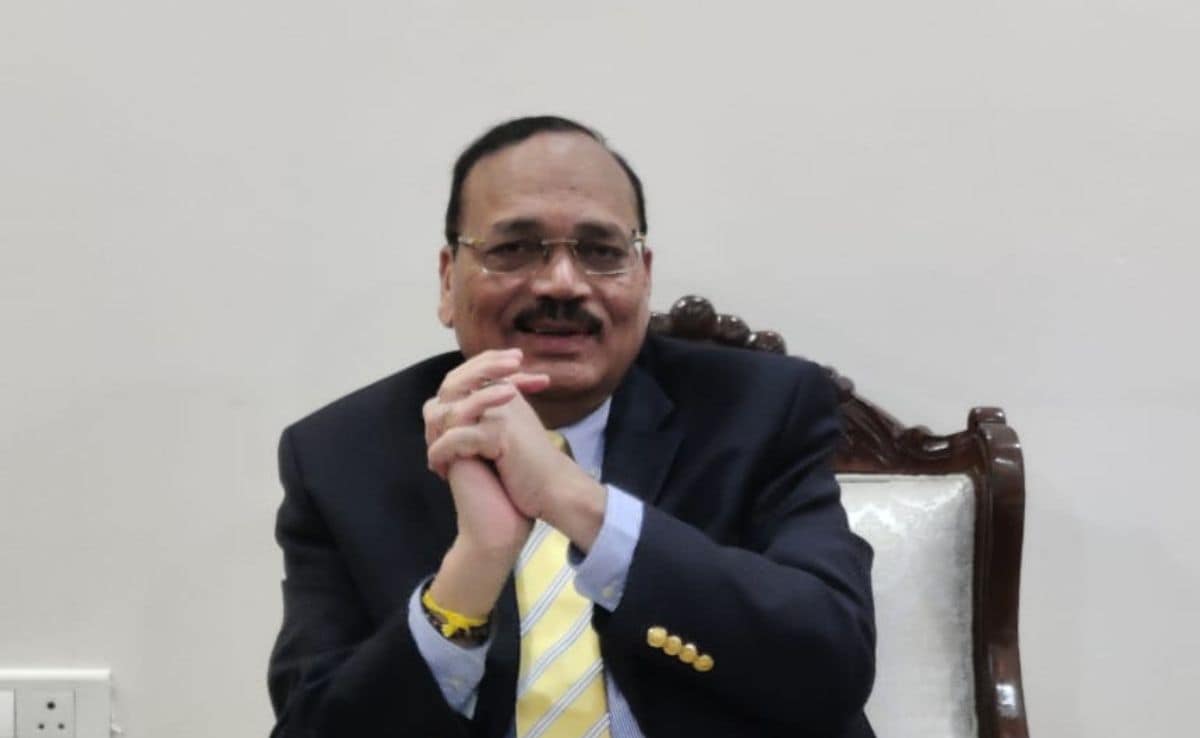
Justice Surya Kant Outlines Tackling Case Pendency and Promoting Mediation as Key Priorities for Indian Judiciary
Nov 22, 2025 10:38 pm CST
Incoming Chief Justice of India Justice Surya Kant reveals his strategic focus on addressing the Supreme Court's 90,000 case backlog and advancing mediation practices during his 16-month tenure. His plans include establishing Constitutional benches to resolve legal questions and investigating why litigants bypass lower courts, with the aim of creating a more efficient judicial system through both structural reforms and alternative dispute resolution methods.
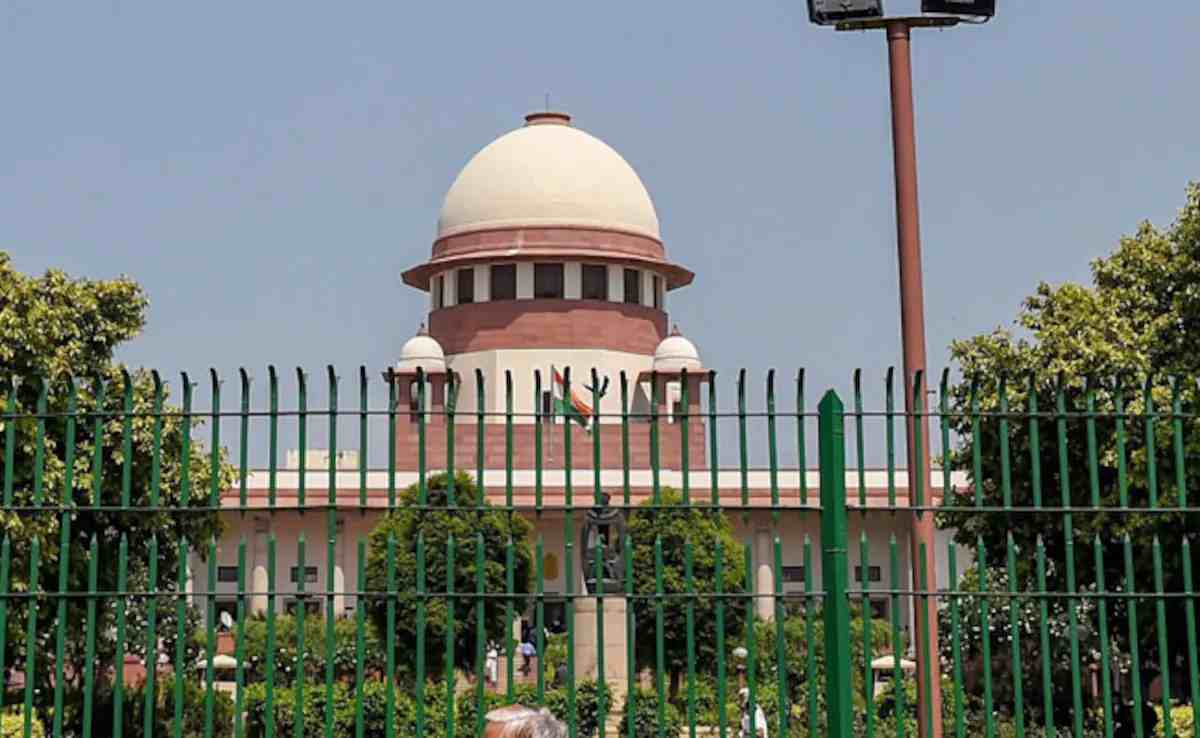
The Landmark 1979 Rape Case That Transformed India's Legal System and Women's Rights
Nov 13, 2025 04:21 pm CST
In 1979, the Supreme Court's controversial acquittal in the Tukaram vs State of Maharashtra case, involving the custodial rape of a young tribal girl, sparked nationwide outrage and catalyzed India's women's rights movement. Recently acknowledged by Chief Justice BR Gavai as a "moment of institutional embarrassment," this landmark case led to comprehensive legal reforms through the Criminal Law Amendment Act of 1983, fundamentally changing how consent, custodial rape, and survivor protection are handled in India's legal system.
The Contradiction of Indian Judiciary: Abolishing Royal Titles While Preserving Colonial Honorifics
Oct 07, 2025 08:54 pm CST
The Rajasthan High Court's recent abolition of princely titles highlights a glaring contradiction in India's legal system. While the court correctly ruled that royal designations have no place in democratic India, the judiciary itself clings to colonial-era honorifics like "My Lord." This analysis examines how these persistent hierarchical practices undermine democratic principles and calls for comprehensive reform to modernize courtroom culture and make justice more accessible to ordinary citizens.